

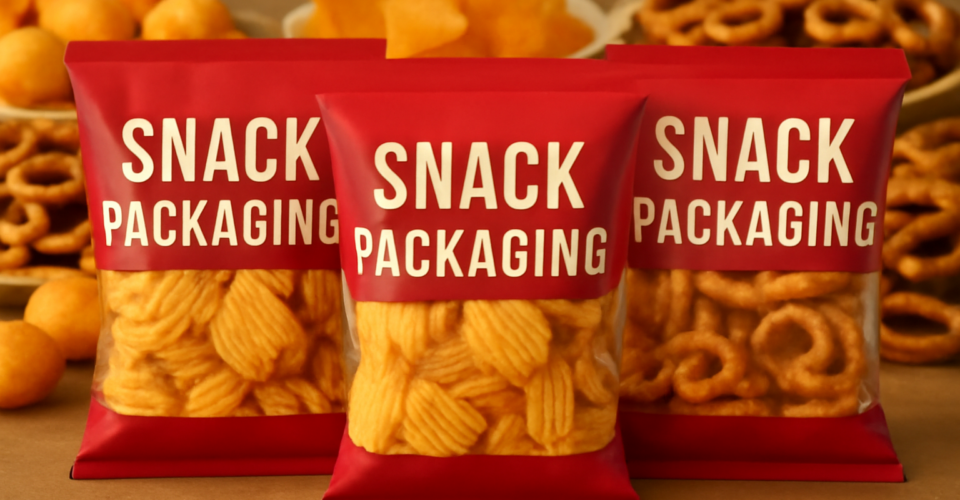
Snack products lose freshness when packaging fails to protect against the three primary enemies of shelf stability: moisture, oxygen, and light. At Vista Packaging, we specialize in high-barrier snacks packaging solutions that address these critical factors, helping manufacturers extend shelf life, maintain product quality, and reduce costly waste throughout the supply chain. Snacks packaging must balance product protection with consumer convenience and sustainability demands in a market projected to reach $936.0 billion by 2035, growing at a compound annual growth rate (CAGR) of 5.1% from $569.2 billion in 2025. The difference between crispy, flavorful snacks and stale, rancid products often comes down to understanding and implementing the right packaging technologies.
What Are the Main Causes of Snack Freshness Loss?
Snack products deteriorate through three primary mechanisms: moisture absorption that destroys crispness, oxygen exposure that triggers rancidity, and light penetration that accelerates oxidation. Snacks packaging inadequacies allow these environmental factors to compromise the texture, flavor, and appearance attributes that consumers judge snack foods by. Moisture uptake causes products like chips and crackers to lose their signature crunch, while oxidative rancidity produces off-flavors and unpleasant aromas that make products unpalatable.
The rate of degradation depends on the ratio of product weight to package surface area, explaining why small bags often experience faster freshness loss than larger formats. A potato snack product packaged in clear OPP film without adequate barriers has a shelf life of only 8 to 10 weeks due to flavor changes and moisture migration. According to Vista Packaging’s experts, understanding these degradation pathways is key to success in the snack food industry, as proper packaging can extend shelf life from weeks to months.
Why Is Moisture Control Critical for Snack Products?
Snack products are hygroscopic, meaning they readily absorb moisture from the surrounding environment, which rapidly destroys the crispy texture that defines quality snacks. Snacks packaging must incorporate moisture barrier properties that prevent water vapor transmission from the outside atmosphere into the package. Research demonstrates that increasing packaging material thickness significantly enhances shelf life by improving barrier properties that reduce moisture permeation.
High barrier plastic packaging creates a tight seal that retains the dry environment necessary to maintain crunchiness and texture. The challenge intensifies with smaller package sizes, which have more surface area per unit of product weight, accelerating moisture uptake rates. Brands face complicated difficulties balancing longer shelf life for freshness with environmental concerns, as moisture barriers traditionally required multilayer structures. At Vista Packaging, our snacks packaging solutions incorporate advanced moisture barriers while supporting sustainability goals through recyclable and compostable material options.
How Does Oxygen Exposure Damage Snack Quality?
Snack products containing fats and oils are particularly vulnerable to oxidative rancidity, a chemical reaction between oxygen and lipids that produces unpleasant flavors and odors. Snacks packaging without adequate oxygen barriers allows continuous oxygen transmission that initiates auto-oxidation, progressively degrading product quality over time. This process not only affects taste but also reduces nutritional value and can produce potentially harmful compounds.
Oxygen transmission rates directly correlate with shelf life expectations, requiring different barrier specifications based on package size, product formulation, and desired shelf life. Modified atmosphere packaging (MAP) and vacuum-sealed packs actively remove oxygen during the packaging process, creating an environment that extends shelf life while maintaining taste and texture. Nitrogen flushing—a process where inert nitrogen gas replaces oxygen before sealing—prevents oxidation and spoilage while preserving flavor and texture without requiring chemical preservatives. This technology has become standard practice for chips, namkeen, bhujia, and other snack items requiring extended freshness.
What Role Does Light Play in Snack Degradation?
Snack products experience accelerated oxidative rancidity when exposed to light, making light barrier properties essential for maximizing shelf life. Snacks packaging using clear or transparent films without light barriers demonstrates significantly shorter shelf life compared to metallized or opaque alternatives. Light exposure catalyzes oxidation reactions even when oxygen levels are controlled, creating a compounding effect that rapidly degrades product quality.
Metallized BOPET (biaxially oriented polyethylene terephthalate) film addresses this challenge through a thin aluminum layer applied via vacuum deposition, which provides exceptional barrier characteristics against oxygen, moisture, and light simultaneously. This advanced material combines mechanical strength, durability, and superior protection, making it ideal for maintaining chip freshness and quality. Metallized films have revolutionized snack packaging by providing comprehensive environmental protection while maintaining printability for attractive branding. Vista Packaging offers metallized and foil laminate options that provide complete light barriers for light-sensitive snack formulations.
What Packaging Materials Work Best for Snack Freshness?
Snacks packaging has evolved toward multi-layered structures that combine different materials to achieve optimal barrier properties, mechanical strength, and sealability. Snack products benefit from materials like metallized BOPP (biaxially oriented polypropylene), BOPET with aluminum layers, and barrier films incorporating EVOH (ethylene vinyl alcohol) for oxygen protection. These advanced materials provide the high tensile strength, chemical stability, and gas barrier properties necessary to maintain freshness throughout distribution.
Stand-up pouches featuring metallized BOPET films have become particularly popular, offering protection against environmental elements while providing convenience and shelf visibility. The films must also provide grease resistance and mechanical durability to prevent package failure from oils and physical handling stresses. Modern snacks packaging increasingly incorporates smart features like QR codes, digital freshness indicators, and oxygen scavengers to fight food waste and improve customer experience. Innovations in metallization technology enable thinner, more efficient metal layers that improve barrier characteristics while reducing material usage and production costs.
How Does Nitrogen Flushing Extend Snack Shelf Life?
Snack products packaged with nitrogen flushing benefit from oxygen replacement that prevents oxidation, maintains crispness, and avoids crushing during transport. Snacks packaging utilizing nitrogen flushing involves filling packages with inert nitrogen gas—which is colorless, odorless, and non-reactive—to expel oxygen and moisture before sealing. This modified atmosphere packaging (MAP) technique creates a nitrogen-rich environment that preserves color, flavor, texture, and nutritional value.
The nitrogen cushion provides dual benefits: preservation through oxygen exclusion and physical protection preventing product damage during handling and shipping. Applications span potato chips, roasted peanuts, trail mix, coffee, dried fruits, grains, and baked goods—any snack requiring extended shelf life without chemical preservatives. The technology integrates seamlessly into packaging operations at multiple stages, from bag filling and sealing through storage before distribution and bulk packaging for wholesalers. At Vista Packaging, we recommend nitrogen flush-compatible packaging materials that maintain gas barriers throughout the product lifecycle, ensuring the protective atmosphere remains intact until consumption.
What Are the Consequences of Poor Snack Packaging?
Snack products with inadequate packaging experience shortened shelf life, increased returns, brand damage, and significant financial losses from spoilage. Snacks packaging failures manifest as texture degradation (loss of crispness), flavor deterioration (rancidity or off-tastes), appearance changes (discoloration or grease stains), and reduced nutritional value. These quality failures directly impact consumer satisfaction and repurchase intentions, damaging brand reputation in competitive markets.
The financial impact extends beyond direct product losses to include:
- Retailer chargebacks for products that fail freshness standards before sell-by dates
- Increased customer complaints and warranty claims
- Loss of shelf space to competitors with superior packaging
- Higher waste disposal costs and environmental impact
- Damage to brand perception and market positioning
Food waste concerns have intensified consumer and regulatory scrutiny, making shelf life extension a priority beyond profitability. Brands adopting advanced packaging technologies report improved inventory turnover, expanded distribution reach, and stronger customer loyalty. Vista Packaging helps clients avoid these costly consequences through packaging solutions engineered specifically for snack product requirements and market conditions.
How Can You Fix Snack Freshness Problems Today?
Snack products require comprehensive packaging solutions addressing moisture barriers, oxygen protection, light blocking, and mechanical integrity simultaneously. Snacks packaging improvements should begin with barrier assessment—evaluating current materials against target shelf life objectives and identifying specific failure modes. Upgrading to multi-layer structures incorporating metallized films, oxygen scavengers, and nitrogen flushing can dramatically extend freshness without reformulating products.
Implementation steps include:
- Conduct shelf life testing to establish current performance baselines and identify primary degradation factors.
- Evaluate barrier materials including metallized BOPP, BOPET, and EVOH-based laminates appropriate for your product category.
- Implement nitrogen flushing to remove oxygen during packaging operations.
- Optimize package size ratios to minimize surface area relative to product weight.
- Consider sustainable alternatives like compostable high-barrier films that maintain performance while meeting environmental goals.
- Add smart packaging features such as freshness indicators to monitor and communicate quality throughout distribution.
At Vista Packaging, we provide comprehensive snacks packaging solutions combining advanced barrier materials, nitrogen flush compatibility, and sustainable options that preserve freshness while supporting brand positioning and environmental commitments.
Why Is Sustainable Snack Packaging Important in 2025?
Snack products face increasing pressure to balance extended shelf life requirements with environmental sustainability as regulations tighten and consumer consciousness grows. Snacks packaging innovation now focuses on compostable materials like certified films that provide high-barrier protection while biodegrading after disposal. These advanced sustainable materials maintain the grease resistance, printability, and sealability necessary for snack applications while working with standard packaging machines.
The shift toward sustainable snack packaging reflects broader industry trends, with brands recognizing that environmental responsibility enhances rather than compromises market competitiveness. Mono-material packaging designs using single recyclable polymers throughout the package structure simplify recycling while maintaining barrier performance. Smart packaging integration provides additional sustainability benefits by reducing food waste through better freshness monitoring and inventory management. Vista Packaging leads this transformation by offering snacks packaging solutions that deliver both superior freshness protection and environmental performance, positioning brands as responsible leaders in the evolving snack market.
Frequently Asked Questions About Snack Product Freshness
What causes snacks to lose their crispness?
Snacks lose crispness due to moisture absorption from the environment when packaging lacks adequate moisture barrier properties, with small packages experiencing faster degradation due to higher surface-area-to-weight ratios.
How does nitrogen flushing keep snacks fresh?
Nitrogen flushing replaces oxygen inside packages with inert nitrogen gas before sealing, preventing oxidation and spoilage while preserving flavor, texture, and nutritional value without chemical preservatives.
What packaging material is best for potato chips?
Metallized BOPET or BOPP films provide optimal barrier properties against oxygen, moisture, and light simultaneously, maintaining chip freshness and quality through mechanical strength and superior environmental protection.
How long can properly packaged snacks stay fresh?
Properly packaged snacks using high-barrier materials and nitrogen flushing can maintain freshness for several months compared to just 8-10 weeks with basic packaging, depending on product formulation and storage conditions.
Can sustainable packaging keep snacks fresh?
Yes, certified compostable films now provide high-barrier protection comparable to traditional materials while maintaining grease resistance, printability, and compatibility with standard packaging equipment.
Why do small snack bags go stale faster?
Small bags have more packaging surface area per unit of product weight, resulting in faster moisture uptake and oxygen transmission that accelerates degradation compared to larger formats.
Ready to solve your snack freshness challenges?
ExploreVista Packaging’s Snacks Packaging Solutions to discover high-barrier materials, nitrogen flush compatibility, and sustainable options that keep your products crispy, flavorful, and fresh from production to consumption.