

Produce Packaging
Freshness from Farm to Fork with Quality Produce Packaging
Fresh produce is one of the most demanding categories in flexible packaging. Fruits and vegetables are living products – they continue to respire, lose moisture, and ripen after harvest – which means packaging has to do far more than simply contain them. It has to actively manage the internal environment of the pack to slow spoilage, prevent moisture loss, and protect appearance through transportation, cold storage, and retail display.
At Vista Packaging, we design custom produce packaging solutions engineered around the specific respiration rate, moisture sensitivity, and shelf-life requirements of your product – whether that’s leafy greens, berries, root vegetables, or cut and prepared produce. Our solutions combine Modified Atmosphere Packaging (MAP) technology, precision laser perforation, and increasingly, compostable and recyclable materials, to help your produce arrive at the shelf looking as fresh as the day it was harvested.
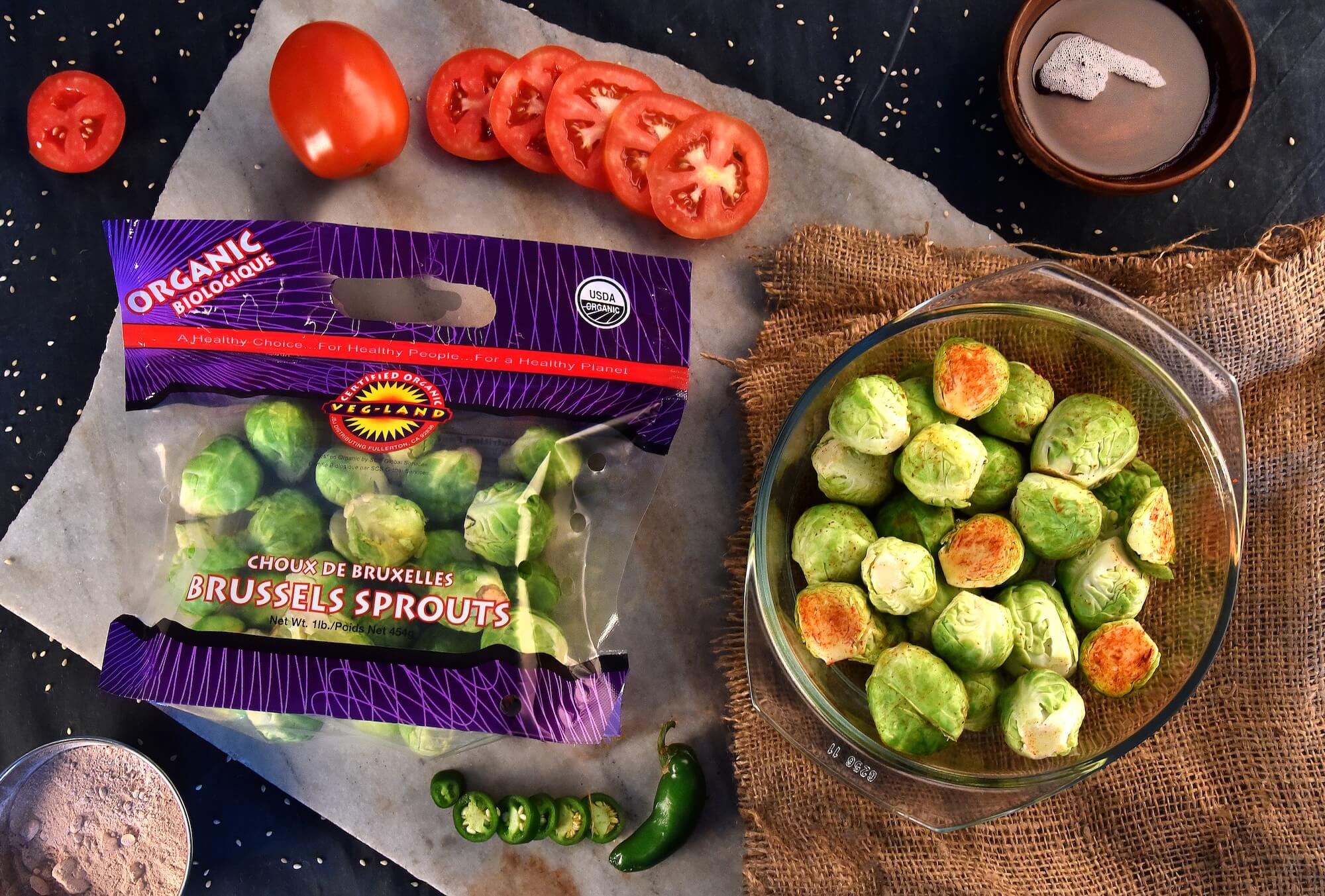

Why Produce Packaging Needs to Be Different
Unlike shelf-stable dry goods, fresh produce is biologically active even after packaging. Every fruit and vegetable continues to breathe – consuming oxygen and releasing carbon dioxide and moisture – right up until the moment it’s consumed. Packaging that doesn’t account for this natural process can actually accelerate spoilage rather than prevent it, by trapping excess moisture (leading to condensation and mold) or restricting airflow too much (causing anaerobic respiration and off-flavors).
Modified Atmosphere Packaging (MAP) for Produce
Modified Atmosphere Packaging works by adjusting the balance of oxygen, carbon dioxide, and nitrogen inside the pack at the point of sealing, creating an internal atmosphere that slows the natural respiration process. For produce specifically, MAP technology helps to:
- Slow ripening and ageing, extending usable shelf life significantly compared to standard packaging
- Reduce moisture loss, keeping produce visually appealing and structurally firm for longer
- Minimize microbial growth by controlling the internal gas environment
- Preserve color, texture, and nutritional quality through the distribution chain
MAP is particularly valuable for produce with longer supply chains – where the time between harvest and final sale can span days or even weeks – since it directly extends the window in which the product remains sellable.
Laser Perforation: Precision Breathability
While MAP manages the internal atmosphere at a macro level, laser perforation gives a finer, more precise level of control over how much a package “breathes.” Using laser technology, micro-perforations are added to the film at a specific size and density, calibrated to the exact respiration rate of the produce inside.
This precision matters because different produce types have very different oxygen and moisture needs – a package that’s correctly perforated for berries would likely be wrong for a denser vegetable like carrots or potatoes. Laser perforation allows packaging to be fine-tuned per product, rather than relying on a generic level of breathability that under- or over-ventilates the pack.
Benefits of laser-perforated produce packaging include:
- Reduced condensation build-up inside the pack, which helps prevent mold and premature spoilage
- Better visual clarity, since perforation can be precisely placed to avoid interfering with product visibility
- Extended freshness tailored specifically to the produce type, rather than a generic packaging approach
Sustainable and Compostable Produce Packaging Options
Produce packaging faces particular scrutiny from both consumers and regulators around single-use plastic, given how visible fresh produce packaging is at retail. Vista Packaging offers sustainable packaging pathways for produce brands looking to reduce environmental impact, including:
- Compostable film options, designed to break down under appropriate composting conditions rather than persisting as long-term plastic waste
- Recyclable mono-material structures, which simplify end-of-life recycling compared to traditional multi-material laminates
- Right-sized packaging, reducing material use while still delivering the barrier and breathability performance your product needs
Because produce packaging has genuine functional requirements – barrier performance, breathability, moisture management – sustainability decisions here involve real trade-offs rather than a single obvious “greenest” choice. Our team works with produce brands to find the material approach that balances environmental goals with the shelf-life performance your supply chain actually requires.
Packaging Solutions by Produce Type
Different categories of fresh produce have meaningfully different packaging needs. A few examples of how our approach adapts:
Leafy greens and salads – high respiration rates and high moisture sensitivity mean these products typically need carefully calibrated MAP and perforation to prevent both wilting (too little moisture retention) and rot (too much trapped moisture).
Berries and soft fruit – delicate structure and high susceptibility to mold mean breathability and gentle handling-friendly packaging formats are priorities, often combined with clear film for visual inspection at retail.
Root vegetables – generally lower respiration rates than leafy greens, but benefit from packaging that manages moisture loss over longer storage periods, since these products are often sold with longer expected shelf lives.
Cut and prepared produce – pre-cut fruits and vegetables have higher exposed surface area and faster respiration than whole produce, generally requiring stronger MAP intervention and precise perforation to maintain quality and food safety through a shorter but more demanding shelf-life window.
Why Brands Choose Vista Packaging for Produce Packaging
- Certified manufacturing – BRCGS, SMETA 4-Pillar, and ISO 14001:2015 certifications ensure produce packaging is manufactured under strict food safety and environmental quality standards
- Custom-engineered solutions – packaging designed around your specific produce type’s respiration rate and shelf-life needs, not a generic template
- Export-ready capability – Certified Export House status supports produce brands shipping to international markets, including the USA and UK
- Sustainability-conscious material options – compostable and recyclable pathways available alongside traditional high-barrier films
Frequently Asked Questions
What is Modified Atmosphere Packaging (MAP) and how does it help produce stay fresh?
MAP adjusts the mix of oxygen, carbon dioxide, and nitrogen inside a sealed package to slow the natural respiration process of fresh produce, helping extend shelf life, reduce moisture loss, and preserve appearance and quality for longer than standard packaging.
What is laser perforation, and does all produce packaging need it?
Laser perforation adds precisely sized micro-perforations to packaging film to control breathability. Not all produce requires the same level of perforation - it depends on the specific product's respiration rate, which is why perforation density is calibrated per produce type rather than applied uniformly.
Is compostable produce packaging as effective as traditional plastic film?
Compostable materials can achieve strong performance for many produce applications, though the right choice depends on your product's specific barrier and breathability requirements. Our team evaluates this on a per-product basis to ensure sustainability goals don't come at the cost of shelf-life performance.
Can produce packaging be customized for different fruit and vegetable types within the same product line?
Yes. Because respiration rates and moisture sensitivity vary significantly between produce types, we typically recommend tailoring MAP composition and perforation specifications separately for each distinct product line, even within the same brand.
Do you supply produce packaging for export markets?
Yes. Vista Packaging holds Certified Export House status from the Government of India and supplies produce packaging solutions to international markets including the USA and UK.
How long can MAP-packaged produce stay fresh compared to standard packaging?
This varies by produce type, but MAP technology typically extends usable shelf life meaningfully compared to standard packaging, since it slows the natural respiration process that drives spoilage. Exact shelf-life gains depend on the specific product, its ripeness at packaging, and storage conditions throughout the supply chain.
What packaging formats are available for produce - bags, pouches, or trays?
Vista Packaging offers multiple formats depending on the produce type and retail presentation you need, including flexible bags and pouches with MAP and laser perforation, as well as film solutions for tray-based packaging. Our team helps determine the right format based on your product's handling, display, and shelf-life requirements.
Does produce packaging need to be different for organic produce?
Organic produce generally has the same underlying respiration and moisture-management needs as conventionally grown produce, so the core packaging technology - MAP and laser perforation - applies similarly. However, organic brands often place additional emphasis on sustainable or compostable packaging materials to align with broader organic and eco-conscious positioning.
How do I know what level of laser perforation my product needs?
Perforation density is calibrated to a product's specific respiration rate, which varies by produce type, ripeness stage, and packaging format. Rather than guessing, our team works with you to test and calibrate perforation specifications for your exact product before finalizing production.
Can produce packaging help reduce food waste in the supply chain?
Yes. By slowing spoilage and extending usable shelf life, properly engineered produce packaging directly reduces the amount of product that goes unsold or is discarded due to premature quality loss - a meaningful consideration for both retailers managing shrink and brands with sustainability commitments.
Protect Freshness. Extend Shelf Life.
Fresh produce deserves packaging engineered specifically for how it behaves after harvest—not a generic film that happens to be food-safe. Contact Vista Packaging to discuss custom MAP, laser perforation, and sustainable packaging solutions tailored to your specific produce line.