

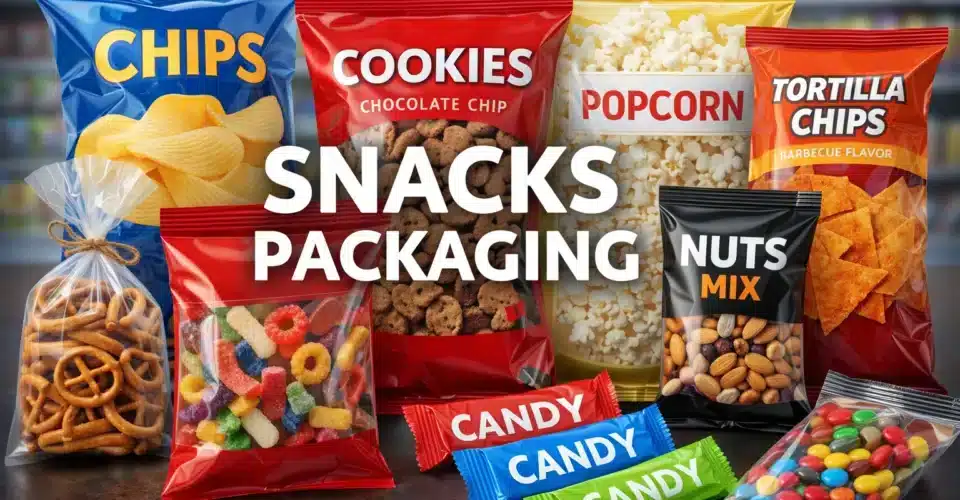
Snacks packaging has evolved from simple wrapping to sophisticated systems that preserve freshness, enhance brand identity, and meet sustainability demands. In 2026, the global snacks packaging market continues to expand rapidly, driven by changing consumer preferences, technological innovations, and environmental consciousness. At Vista Packaging, we’ve observed how the right packaging solution can make or break a snack brand’s success in today’s competitive marketplace.
The importance of effective snacks packaging cannot be overstated. Beyond protecting products during transportation and storage, modern packaging serves as a silent salesperson on store shelves, communicates brand values, and influences purchasing decisions within seconds. According to Vista Packaging’s insights, approximately 70% of consumers make their final snack selection at the point of purchase, making packaging design and functionality critical factors in driving sales.
This comprehensive guide explores everything you need to know about snacks packaging in 2026, from material choices and packaging types to emerging trends shaping the industry. Whether you’re a startup launching a new snack line or an established brand looking to refresh your packaging strategy, understanding these fundamentals will help you make informed decisions that resonate with today’s conscious consumers.
Why Is Snacks Packaging Important in 2026?
Snacks packaging serves multiple critical functions that directly impact product quality, consumer satisfaction, and business success. The primary purpose remains protection-shielding products from moisture, oxygen, light, and physical damage that could compromise taste, texture, and nutritional value. However, modern packaging extends far beyond basic preservation.
Consumer expectations have shifted dramatically. Today’s shoppers demand packaging that tells a story, reflects their values, and offers convenience. At Vista Packaging, we emphasize that effective packaging must balance protection, presentation, and practicality while addressing sustainability concerns that influence purchasing decisions across all demographics.
The snacks packaging industry faces unique challenges compared to other food categories. Snacks often require barrier properties to maintain crispness, resealable features for portion control, and designs that facilitate on-the-go consumption. These requirements must be met while keeping costs reasonable and environmental impact minimal-a delicate balance that defines success in 2026.
What Are the Most Common Materials Used in Snacks Packaging?
Snacks packaging materials have diversified significantly, with each option offering distinct advantages for different product types and brand positioning strategies. Understanding these materials helps manufacturers select the optimal solution for their specific needs.
Flexible Plastic Films
Flexible plastics remain the dominant material for snacks packaging, valued for their versatility, cost-effectiveness, and excellent barrier properties. Common options include:
- Polypropylene (PP): Offers superior moisture resistance and is ideal for chips and crackers
- Polyethylene (PE): Provides good sealability and flexibility for various snack formats
- Polyester (PET): Delivers excellent clarity and strength for premium positioning
- Metallized films: Combine plastic with aluminum coating for enhanced barrier protection
These materials can be combined in multi-layer laminates to optimize performance. For instance, a typical chip bag might feature an outer printed layer, a middle barrier layer, and an inner sealant layer-each contributing specific functional benefits.
Paper-Based Packaging
Snacks packaging is experiencing a significant shift toward paper-based solutions as sustainability becomes paramount. Modern paper packaging incorporates coatings and treatments that provide adequate moisture and grease resistance while maintaining recyclability. Vista Packaging has noted increased demand for paper options, particularly among organic and health-focused snack brands seeking to align packaging with product positioning.
Paper-based materials work exceptionally well for baked snacks, granola products, and confectionery items. However, they typically require additional barrier treatments or inner liners for products requiring extended shelf life or high moisture protection.
Biodegradable and Compostable Materials
Snacks packaging innovation increasingly focuses on plant-based and compostable alternatives. Materials derived from cornstarch, sugarcane, and other renewable resources offer environmental benefits while meeting functional requirements. These options appeal to environmentally conscious consumers and help brands differentiate in crowded markets.
Current biodegradable materials include:
- PLA (Polylactic Acid) from fermented plant sugars
- Cellulose-based films from wood pulp
- Modified starch-based materials
- Mushroom-based packaging for rigid applications
While these materials show promise, they often come with higher costs and specific disposal requirements that brands must communicate clearly to consumers.
Aluminum Foil
Snacks packaging frequently incorporates aluminum foil for products requiring maximum protection from light, oxygen, and moisture. Foil provides an impermeable barrier that extends shelf life significantly, making it ideal for premium nuts, protein bars, and specialty snacks. However, recycling challenges and resource intensity make aluminum less attractive for sustainability-focused brands.
How Does Snacks Packaging Design Impact Consumer Behavior?
Snacks packaging design psychology plays a crucial role in consumer decision-making processes. Research consistently shows that packaging influences taste perception, quality assessment, and purchase intent-often before consumers even try the product.
Visual elements communicate brand personality and product attributes instantly. Color choices trigger emotional responses: green suggests health and naturalness, red creates urgency and excitement, while black and gold convey premium quality. Typography, imagery, and layout combine to create shelf impact that determines whether products get noticed in crowded retail environments.
Functional design features increasingly drive purchasing decisions. Snacks packaging with resealable closures addresses portion control concerns and product freshness, while transparent windows allow consumers to inspect contents before buying. Ergonomic shapes that fit comfortably in hands or bags enhance convenience for on-the-go consumption-a primary use case for most snacks.
Sustainability messaging has become essential. Clear labeling about recyclability, compostability, or recycled content influences environmentally conscious consumers. However, transparency matters: greenwashing accusations damage brand reputation, making authentic environmental commitments more valuable than superficial claims.
What Are the Main Types of Snacks Packaging Used Today?
Snacks packaging formats vary based on product characteristics, consumption occasions, and distribution channels. Understanding different packaging types helps brands select optimal solutions.
Flow Wrap Packaging
Snacks packaging often utilizes flow wrap (horizontal form-fill-seal) technology for individual portions and multi-packs. This method efficiently wraps products in flexible film, creating tight seals that protect contents while minimizing material usage. Flow wrap works well for cookies, bars, and individually wrapped candies.
Vertical Form-Fill-Seal (VFFS) Bags
The iconic chip bag represents vertical form-fill-seal packaging-the most common format for loose snacks like chips, pretzels, and popcorn. Snacks packaging manufacturers create these bags from rollstock film, forming, filling, and sealing in continuous automated processes. VFFS offers excellent speed, consistency, and cost efficiency for high-volume production.
Modern VFFS bags incorporate various features:
- Reclosable zippers for freshness maintenance
- Tear notches for easy opening
- Hang holes for retail display
- Matte or gloss finishes for brand differentiation
Stand-Up Pouches (SUP)
Snacks packaging increasingly favors stand-up pouches for their shelf presence and consumer convenience. These self-supporting packages occupy minimal shelf space while maximizing front-facing graphics. Gusseted bottoms provide stability, while various closure options (zip locks, press-to-close, spouts) enhance functionality.
Stand-up pouches suit numerous snack categories including nuts, dried fruits, protein snacks, and granola. Their versatility in sizes-from single-serve to family packs-makes them adaptable across different market segments.
Rigid Containers
Snacks packaging for premium or bulk products often employs rigid containers made from plastic, metal, or paperboard. Canisters, tubs, and jars provide superior protection and product visibility while communicating quality and value. These formats work particularly well for nuts, trail mixes, and specialty confections where presentation matters.
Portion Control Packs
Snacks packaging trends strongly favor portion-controlled formats addressing health-conscious consumers. Multi-pack boxes containing individually wrapped servings help consumers manage intake while maintaining freshness. This approach combines marketing appeal (value perception) with practical benefits (convenience and freshness).
What Are the Latest Trends in Snacks Packaging for 2026?
Snacks packaging continues evolving rapidly, with several key trends shaping the industry landscape in 2026.
Sustainable Packaging Solutions
Sustainability dominates snacks packaging innovation. Brands face mounting pressure from consumers, retailers, and regulators to reduce environmental impact. Leading companies are transitioning to recyclable mono-materials, increasing recycled content percentages, and exploring compostable alternatives.
According to Vista Packaging’s market analysis, brands successfully communicating genuine sustainability commitments see measurable sales increases, particularly among younger consumers. However, functionality cannot be sacrificed-packaging must still protect products effectively while being environmentally responsible.
Smart and Active Packaging
Snacks packaging incorporating technology offers enhanced functionality and consumer engagement. QR codes linking to nutritional information, recipe ideas, or brand stories have become standard. More advanced applications include:
- Freshness indicators showing product quality status
- Time-temperature indicators for cold chain monitoring
- Augmented reality experiences activated by smartphone cameras
- NFC tags enabling product authentication and loyalty programs
Active packaging goes further by interacting with products to extend shelf life. Oxygen scavengers, moisture regulators, and antimicrobial coatings help maintain quality without artificial preservatives.
Minimalist Design Aesthetics
Snacks packaging design increasingly embraces minimalism, particularly in premium and health-focused segments. Clean layouts, simple typography, and restrained color palettes communicate transparency and quality. This approach contrasts with traditional loud, busy snack packaging, helping brands stand out through understated sophistication.
Minimalist designs often feature fewer ingredients lists, clear nutritional callouts, and straightforward benefit statements-aligning packaging with products targeting health-conscious consumers.
Personalization and Limited Editions
Snacks packaging customization creates emotional connections and drives engagement. Digital printing technology enables cost-effective short runs, allowing brands to create regional variations, seasonal designs, or personalized packaging for special occasions. Limited edition packaging generates urgency and collectibility, encouraging repeat purchases.
Reduced Packaging and Right-Sizing
Snacks packaging optimization focuses on eliminating excess materials while maintaining protection. Right-sizing reduces waste, lowers shipping costs, and appeals to environmentally aware consumers frustrated by excessive packaging. Brands are critically evaluating every element-removing unnecessary layers, reducing bag sizes to match actual contents, and eliminating non-functional components.
How Can Brands Choose the Right Snacks Packaging?
Selecting appropriate snacks packaging requires balancing multiple considerations including product requirements, brand positioning, budget constraints, and sustainability goals.
Product Protection Requirements
Snacks packaging selection begins with understanding specific product vulnerabilities. Moisture-sensitive items like crackers and chips need excellent barrier properties, while delicate products require cushioning against physical damage. Shelf life expectations determine necessary barrier levels and seal integrity requirements.
Consider these product-specific factors:
- Moisture sensitivity and target water activity levels
- Oxygen sensitivity affecting flavor and texture stability
- Light sensitivity for products containing sensitive nutrients or flavors
- Fragility requiring protective structures or cushioning
- Size, shape, and weight affecting packaging format options
Brand Identity Alignment
Snacks packaging must authentically represent brand values and positioning. Premium brands require packaging that justifies higher price points through quality materials, sophisticated design, and functional features. Value brands prioritize cost efficiency while maintaining adequate protection and shelf presence.
Health-focused brands increasingly choose packaging reinforcing wellness messaging-transparent materials showcasing products, natural tones, and prominent nutritional callouts. Sustainable brands must ensure packaging choices align with environmental commitments to avoid authenticity concerns.
Production and Supply Chain Considerations
Snacks packaging decisions impact production efficiency and costs. Evaluate existing equipment capabilities, required changeover investments, and packaging line speeds. Material availability, supplier reliability, and lead times affect production planning and inventory management.
Distribution requirements influence packaging durability. Products traveling long distances or through multiple handling points need robust packaging, while local distribution allows lighter materials. Temperature fluctuations during transportation may necessitate additional barrier protection.
Regulatory Compliance
Snacks packaging must comply with food safety regulations in all target markets. FDA requirements in the United States, EU regulations in Europe, and various international standards govern material safety, labeling requirements, and nutrition information disclosure. Staying current with evolving regulations prevents costly recalls or reformulations.
What Does the Future Hold for Snacks Packaging?
Snacks packaging innovation will accelerate as technology advances and consumer expectations evolve. Several developments appear poised to reshape the industry beyond 2026.
Edible packaging represents an intriguing possibility, with researchers developing films from proteins, starches, and other food-grade materials that consumers can safely eat or that harmlessly dissolve. While still largely experimental, commercial applications may emerge for specific snack categories.
Circular economy models will expand, with more brands implementing take-back programs, using refillable containers, or designing packaging for multiple use cycles. These approaches address waste concerns while potentially creating new customer touchpoints and loyalty mechanisms.
Artificial intelligence and machine learning will optimize snacks packaging design through consumer response prediction, shelf simulation, and automated design generation. These tools may help smaller brands compete with major companies’ design resources.
Nanotechnology applications could enable previously impossible barrier properties from thinner materials, dramatically reducing packaging weight while maintaining or improving performance. However, safety assessments and regulatory approvals will determine adoption timelines.
Frequently Asked Questions About Snacks Packaging
What is the most sustainable material for snacks packaging?
The most sustainable snacks packaging material depends on your specific product requirements and available disposal infrastructure. Paper-based packaging with minimal coatings offers excellent recyclability for dry snacks. For products needing stronger barriers, recyclable mono-material flexible plastics (like polyethylene or polypropylene) are more sustainable than multi-layer laminates. Compostable materials work well when local composting facilities exist, but they offer limited environmental benefits if they end up in landfills.
How long does snacks packaging keep products fresh?
Snacks packaging shelf life varies dramatically based on materials and product characteristics. High-barrier flexible films can maintain chip freshness for 6-12 months, while paper packaging may provide 2-4 months for less sensitive products. Foil-based packaging extends shelf life to 12-18 months for nuts and protein bars. Actual freshness duration depends on storage conditions, product formulation, and packaging integrity.
What size snacks packaging is most popular with consumers?
Single-serve snacks packaging (1-2 ounces) dominates convenience channels and vending machines, while family-size packages (8-16 ounces) perform best in grocery stores. Multi-pack formats containing individually wrapped portions balance convenience with value perception. Emerging trends favor smaller portion sizes for health-conscious consumers, while bulk packaging appeals to value-seeking families and wholesale club shoppers.
Can snacks packaging be recycled?
Snacks packaging recyclability varies by material composition and local recycling infrastructure. Single-material packaging (paper, aluminum, or specific plastics like PET, HDPE, or PP) typically qualifies for curbside recycling programs. Multi-layer flexible packaging presents challenges, though specialized recycling programs through store drop-offs are expanding. Always check local recycling guidelines and look for on-package disposal instructions.
What’s the difference between biodegradable and compostable snacks packaging?
Biodegradable snacks packaging breaks down naturally through microbial action, but timeframe and conditions vary widely-some materials take years under specific conditions. Compostable packaging meets stricter standards (like ASTM D6400 or EN 13432), breaking down into nutrient-rich compost within specific timeframes (typically 180 days) in commercial composting facilities. Compostable packaging requires proper disposal through composting programs; it won’t biodegrade in landfills or natural environments.
How much does snacks packaging cost per unit?
Snacks packaging costs range from $0.02-$0.05 per unit for basic flexible bags to $0.15-$0.50 for premium stand-up pouches with special features. Rigid containers cost $0.20-$1.00+ depending on materials and size. Sustainable materials typically add 10-30% to costs, though prices are decreasing as adoption increases. Volume significantly impacts pricing-larger orders reduce per-unit costs through economies of scale.
Selecting the right snacks packaging requires careful consideration of product needs, brand values, consumer preferences, and sustainability commitments. As the industry continues evolving in 2026 and beyond, successful brands will balance innovation with practicality, creating packaging that protects products, delights consumers, and minimizes environmental impact. By staying informed about materials, technologies, and trends, you can make packaging decisions that support long-term business success while meeting modern consumer expectations.