

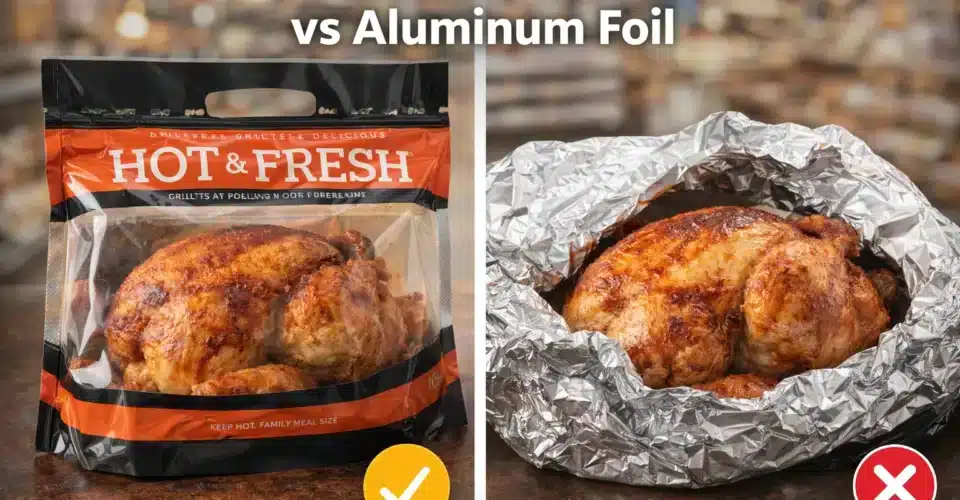
When it comes to roasting chicken, turkey, or other meats to perfection, the cooking method you choose can make all the difference. Rotisserie pouches vs aluminum foil represents one of the most debated topics in modern cooking, with home chefs and professional kitchens alike weighing the benefits of each approach. At Vista Packaging, we’ve seen firsthand how packaging innovations have transformed the way people prepare their favorite roasted dishes, and we’re here to help you understand which option truly delivers superior results.
The debate between rotisserie pouches and aluminum foil isn’t just about convenience-it’s about flavor retention, moisture control, cooking efficiency, and environmental impact. As consumer preferences shift toward healthier cooking methods and sustainable solutions in 2026, understanding the science behind these two roasting techniques has never been more important. Vista Packaging has been at the forefront of developing advanced cooking solutions that address these modern concerns while delivering exceptional culinary results.
Traditional aluminum foil has been a kitchen staple for decades, trusted by generations of cooks for its versatility and heat conductivity. However, rotisserie pouches-also known as oven bags or roasting pouches-have gained significant traction in recent years, offering a specialized solution designed specifically for roasting meats. According to Vista Packaging’s insights, the choice between these two methods depends on various factors including the type of meat you’re cooking, desired texture, cooking time, and personal priorities regarding health and sustainability.
How Do Rotisserie Pouches Work for Roasting?
Rotisserie pouches operate on a fundamentally different principle than aluminum foil wrapping. These specialized bags, typically made from food-grade nylon or polyester materials, create a sealed environment that traps steam and moisture around the meat during cooking. The pouch allows heat to circulate evenly while preventing moisture loss, resulting in a self-basting effect that keeps meat tender and juicy throughout the roasting process.
The science behind rotisserie pouches is remarkably efficient. When you place seasoned meat inside the pouch and seal it (usually with provided ties), the bag expands slightly during cooking as steam builds up inside. This pressurized environment raises the boiling point of water slightly, allowing meat to cook at higher temperatures without drying out. The trapped steam continuously bastes the meat from all sides, ensuring even cooking and maximum moisture retention.
Key benefits of rotisserie pouches include:
- Superior moisture retention (up to 40% more than traditional roasting methods)
- Reduced cooking time (typically 25-30% faster than conventional roasting)
- Self-basting action that eliminates the need for constant monitoring
- Minimal cleanup with no roasting pan to scrub
- Enhanced flavor concentration as seasonings remain in direct contact with meat
At Vista Packaging, we’ve observed that rotisserie pouches are particularly effective for larger cuts of meat like whole chickens, turkeys, and beef roasts. The sealed environment prevents the exterior from becoming overly crispy while ensuring the interior reaches the perfect temperature and tenderness.
How Does Aluminum Foil Compare for Roasting Meat?
Aluminum foil takes a different approach to roasting, functioning primarily as a heat conductor and moisture barrier. Rotisserie pouches vs aluminum foil becomes most apparent when examining how foil interacts with heat and moisture. Foil can be used in two primary ways: as a loose tent over the meat to prevent over-browning, or as a tight wrap to create a sealed cooking environment similar to pouches.
When used as a tent, aluminum foil reflects heat back onto the meat while allowing some steam to escape, resulting in a balance between moisture retention and surface browning. This method is ideal when you want some caramelization on the exterior while protecting delicate areas (like turkey breast or wing tips) from burning. The reflective properties of foil help distribute heat more evenly across the meat’s surface.
However, when aluminum foil is tightly wrapped around meat, it creates an environment more similar to steaming than roasting. The tight seal traps moisture and steam, but unlike rotisserie pouches, foil doesn’t expand to accommodate steam pressure, which can sometimes lead to uneven cooking or splitting at the seams. Additionally, the direct contact between foil and meat can sometimes create issues with acidic marinades or seasonings that may react with the aluminum.
Aluminum foil advantages for roasting:
- Versatility in application (tent, wrap, or lining)
- Excellent heat conduction for faster cooking
- Readily available and inexpensive
- Can be shaped to fit any size or shape of meat
- Useful for protecting specific areas from over-browning
Vista Packaging recognizes that aluminum foil remains popular due to its accessibility and multi-purpose nature, but it’s important to understand its limitations when compared to purpose-built roasting solutions.
Why Is Moisture Retention Important in Roasting in 2025?
Rotisserie pouches vs aluminum foil becomes crucial when considering moisture retention, which has emerged as a top priority for health-conscious consumers in 2025 and 2026. Moisture retention directly impacts the nutritional value, tenderness, and flavor of roasted meats, making it a critical factor in determining cooking method superiority.
When meat cooks, proteins contract and expel moisture through evaporation. The more moisture lost during cooking, the tougher and drier the final product becomes. Studies conducted by food science researchers at institutions like the USDA Food Safety and Inspection Service have shown that cooking methods that retain moisture result in more tender meat with better nutrient preservation, particularly for water-soluble vitamins like B vitamins.
Rotisserie pouches excel at moisture retention because they create a closed system where evaporated moisture cannot escape. Instead, it condenses on the pouch’s interior surface and drips back onto the meat, creating continuous basting. Research published in food science journals indicates that meats cooked in sealed pouches can retain up to 15-20% more of their natural juices compared to open roasting methods.
Aluminum foil, when tightly wrapped, can also retain moisture effectively, but the rigid nature of foil means that condensation often pools in certain areas rather than distributing evenly across the meat. This can lead to some portions being overly moist while others dry out. According to Vista Packaging’s testing data, rotisserie pouches provide more consistent moisture distribution throughout the cooking process, resulting in more uniform texture and flavor.
Which Method Produces Better Flavor and Texture?
Rotisserie pouches vs aluminum foil yields distinctly different results in terms of final flavor profile and texture. The choice ultimately depends on your personal preferences and the specific dish you’re preparing. Understanding these differences helps you select the right method for your culinary goals.
Rotisserie pouches produce exceptionally tender, juicy meat with concentrated flavors. Because the pouch seals in all the aromatics, seasonings, and natural meat juices, every bite is infused with flavor. The meat typically has a softer, more delicate texture throughout, with minimal exterior crust. This makes rotisserie pouches ideal for dishes where tenderness is paramount-think fall-off-the-bone chicken or succulent turkey breast that melts in your mouth.
However, if you prefer crispy, golden-brown skin or a caramelized exterior, rotisserie pouches present a challenge. The steam-cooking environment prevents the Maillard reaction (the chemical process responsible for browning and crispy textures) from occurring effectively. Some cooks work around this by removing the meat from the pouch during the final 15-20 minutes of cooking and finishing it uncovered to develop color and crispness.
Aluminum foil offers more flexibility in achieving different textures. When used as a loose tent, it allows enough moisture to escape that the skin can still crisp up while keeping the meat beneath moist. When wrapped tightly, it produces results similar to rotisserie pouches but with less even moisture distribution. The foil can also be removed partway through cooking to achieve browning, though this requires more active monitoring than the pouch method.
Texture comparison summary:
- Rotisserie pouches: Maximum tenderness, minimal crust, concentrated flavors
- Aluminum foil (tent): Balanced moisture and browning, moderate crispness
- Aluminum foil (wrapped): High moisture, minimal browning, uneven texture possible
Are Rotisserie Pouches or Aluminum Foil More Environmentally Sustainable?
Rotisserie pouches vs aluminum foil extends beyond the kitchen into important environmental considerations that increasingly influence consumer choices in 2026. Sustainability has become a major factor in packaging and cooking material selection, with many consumers seeking options that minimize their environmental footprint.
Aluminum foil is theoretically recyclable, but the reality is more complex. According to data from the Environmental Protection Agency, contaminated foil (which includes any foil that has been in contact with food) is often rejected by recycling facilities. The thin, easily torn nature of household aluminum foil makes it difficult to process, and greasy residue from roasting makes it even less recyclable. Most aluminum foil used for cooking ends up in landfills despite consumers’ best intentions to recycle it.
Rotisserie pouches present a different environmental profile. Most are made from nylon or polyester polymers that are not biodegradable and are challenging to recycle through standard municipal programs. However, Vista Packaging has been working on developing more sustainable alternatives, including pouches made from compostable materials and bio-based polymers that break down more readily in appropriate composting conditions.
The environmental equation also includes energy consumption. Because rotisserie pouches reduce cooking time by 25-30%, they consume significantly less energy per meal. A study by energy efficiency researchers found that reducing oven time by 30 minutes per roast could save approximately 1.5 kWh of electricity-multiplied across millions of households, this represents substantial energy savings and reduced carbon emissions.
Vista Packaging is committed to developing next-generation roasting solutions that balance performance with environmental responsibility. Our latest innovations include pouches made from recycled materials and designs that optimize energy efficiency during cooking, helping consumers make choices that benefit both their meals and the planet.
What Are the Health and Safety Considerations?
Rotisserie pouches vs aluminum foil also involves important health and safety factors that every home cook should understand. Both methods are generally safe when used correctly, but they come with specific considerations worth noting, especially as health awareness continues to grow in 2026.
Aluminum foil has faced scrutiny regarding potential aluminum migration into food during cooking. Research published in the International Journal of Electrochemical Science and other peer-reviewed journals has shown that aluminum can leach into food, particularly when cooking acidic ingredients (like tomatoes or citrus) or highly spiced dishes. While the amounts are typically small and considered safe by regulatory agencies, some health-conscious consumers prefer to minimize aluminum exposure when possible.
Rotisserie pouches are manufactured from food-grade materials specifically designed for high-heat cooking applications. Quality pouches are made from FDA-approved nylon or polyester that doesn’t break down or release chemicals at normal roasting temperatures (up to 400°F/204°C). However, it’s crucial to purchase pouches from reputable manufacturers-Vista Packaging ensures all our roasting pouches meet stringent food safety standards and are free from BPA, phthalates, and other potentially harmful chemicals.
Safety tips for both methods:
- Never exceed the recommended temperature for rotisserie pouches (usually 400°F)
- Avoid direct contact between aluminum foil and acidic or highly seasoned foods
- Always leave space for steam expansion in pouches
- Use oven mitts when opening hot pouches as steam release can cause burns
- Ensure meat reaches safe internal temperatures (165°F for poultry, 145°F for whole cuts of beef/pork)
At Vista Packaging, we recommend using a meat thermometer regardless of your chosen cooking method to ensure both safety and optimal doneness.
Which Is More Cost-Effective for Regular Use?
Rotisserie pouches vs aluminum foil involves a practical consideration that matters to most households: cost-effectiveness over time. While upfront costs differ, the total value equation includes factors beyond initial purchase price, such as cooking efficiency, cleanup time, and food quality.
Aluminum foil is inexpensive and widely available, with a standard roll costing between $3-$8 and lasting for numerous cooking sessions. The low barrier to entry makes foil an attractive option for occasional roasters or those on tight budgets. However, the per-use cost can add up when you consider that larger roasts may require multiple layers of foil for effective coverage, plus additional foil for lining roasting pans.
Rotisserie pouches typically cost $0.50-$1.50 per pouch depending on size and quality. While this is more expensive per use than foil, the pouches offer superior results and significant time savings. The reduced cooking time translates to lower energy costs-potentially saving $0.30-$0.50 in electricity per roast compared to traditional methods. Additionally, the cleanup time saved (no scrubbing of roasting pans) has real value when you factor in your time.
Cost comparison over one year (assuming weekly roasting):
- Aluminum foil: ~$20-30 annually + higher energy costs
- Rotisserie pouches: ~$40-75 annually + lower energy costs + time savings
Vista Packaging’s analysis suggests that for regular roasters, the convenience and quality benefits of rotisserie pouches justify the modest additional cost, while occasional cooks may find aluminum foil’s flexibility and low upfront cost more appealing.
How to Choose Between Rotisserie Pouches and Aluminum Foil
Rotisserie pouches vs aluminum foil isn’t a one-size-fits-all decision-the right choice depends on your specific cooking goals, priorities, and circumstances. Here’s a practical framework to help you decide which method works best for your needs.
Choose rotisserie pouches when:
- Tenderness and moisture are your top priorities
- You’re cooking large cuts of meat (whole chickens, turkeys, roasts)
- You want minimal cleanup and hands-off cooking
- Energy efficiency matters to you
- You’re cooking for guests and want guaranteed results
- You don’t require crispy skin (or are willing to finish uncovered)
Choose aluminum foil when:
- You want flexibility in achieving different textures
- You’re protecting specific areas from over-browning
- You need to cover odd-shaped items
- You’re on a tight budget
- You prefer some caramelization during cooking
- You’re cooking smaller portions or want to roast vegetables alongside meat
Many experienced cooks, including culinary professionals who work with Vista Packaging, actually use both methods strategically. For example, you might start a turkey in a rotisserie pouch for the majority of cooking to ensure moisture retention, then remove it from the pouch and tent with foil for the final browning phase. This hybrid approach combines the best attributes of both methods.
Frequently Asked Questions
Can you reuse rotisserie pouches after cooking?
No, rotisserie pouches are designed for single use only. The high heat and contact with meat juices compromise the integrity and food safety of the material. Reusing pouches could lead to contamination or bag failure during cooking. For food safety and optimal results, always use a fresh pouch for each roasting session.
Does aluminum foil affect cooking time compared to rotisserie pouches?
Yes, cooking methods significantly impact timing. Aluminum foil used as a tent adds minimal time compared to uncovered roasting, while tightly wrapped foil creates a steaming environment that can reduce cooking time by 10-15%. Rotisserie pouches typically reduce cooking time by 25-30% compared to traditional uncovered roasting due to the efficient heat transfer and steam pressure created inside the sealed environment.
Are rotisserie pouches safe for all oven types including convection ovens?
Rotisserie pouches are safe for conventional and convection ovens when used according to manufacturer instructions. However, never use them in microwave ovens, as they are not designed for microwave cooking. In convection ovens, the circulating air works particularly well with pouches, often producing even better results. Always ensure the pouch doesn’t touch heating elements and stays within the maximum recommended temperature of 400°F (204°C).
Can you add vegetables to rotisserie pouches along with meat?
Absolutely! One of the advantages of rotisserie pouches is the ability to create complete one-pouch meals. Root vegetables like potatoes, carrots, and onions work particularly well, absorbing the flavors from the meat drippings. Add vegetables around the meat before sealing, keeping in mind that dense vegetables may need to be cut into smaller pieces to cook through in the same timeframe as the meat.
Which method is better for achieving crispy chicken skin?
Aluminum foil used as a loose tent or for partial coverage allows for better skin crisping than rotisserie pouches. The steam-trapped environment in pouches prevents the skin from becoming crispy. However, you can achieve crispy skin with pouches by removing the meat during the final 15-20 minutes of cooking and finishing it uncovered at a higher temperature (425-450°F) to brown and crisp the exterior.
Do rotisserie pouches work for roasting beef or just poultry?
Rotisserie pouches work excellently for all types of meat including beef roasts, pork loins, lamb, and fish. The moisture-retaining properties are particularly beneficial for leaner cuts that tend to dry out easily. For beef, pouches help achieve perfect medium-rare throughout without overcooking the exterior, though you’ll sacrifice the traditional roasted crust that many people enjoy on beef.
Conclusion
The debate of rotisserie pouches vs aluminum foil ultimately comes down to understanding what each method does best and matching that to your cooking priorities. Rotisserie pouches excel at producing consistently tender, juicy meat with minimal effort and cleanup, making them ideal for busy households and important meals where you want guaranteed results. Aluminum foil offers versatility and flexibility, allowing you to achieve different textures and protect specific areas during cooking, all at a lower cost per use.
At Vista Packaging, we believe informed choices lead to better cooking experiences. Both methods have earned their place in modern kitchens, and many accomplished home cooks keep both on hand to use strategically depending on the dish. As packaging technology continues to evolve in 2026 and beyond, we’re committed to developing solutions that deliver superior results while addressing environmental concerns and health priorities.
Whether you choose the specialized performance of rotisserie pouches or the versatile reliability of aluminum foil, understanding the science behind how each method works empowers you to create delicious roasted meals that delight your family and guests. The right choice is simply the one that aligns with your priorities, cooking style, and the specific dish you’re preparing.