

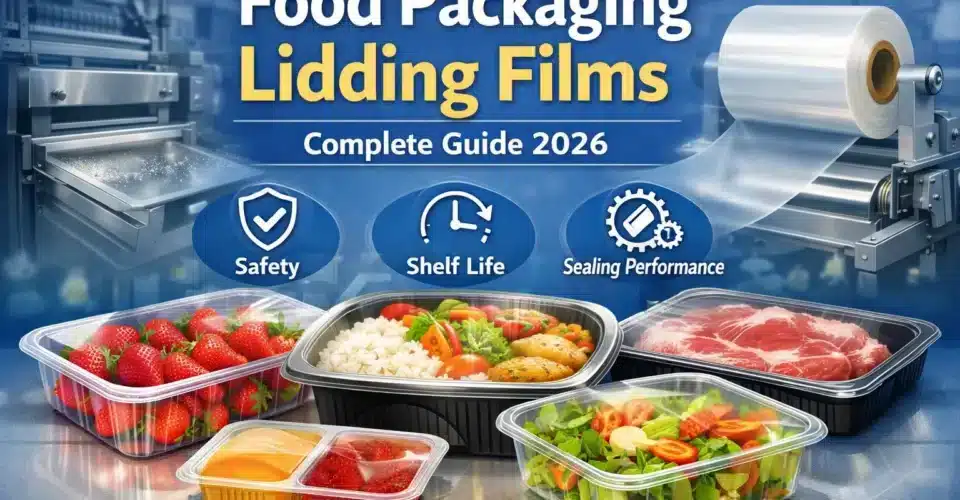
Lidding films are the thin, flexible layers of plastic or foil that seal the tops of trays, cups, and tubs, serving as a critical barrier between your food and the outside world. At Vista Packaging, we understand that the right seal is more than just a cover; it is a sophisticated engineering solution designed to preserve freshness, ensure safety, and enhance the consumer experience. As we move through 2026, the technology behind these films has evolved to meet higher standards of sustainability and functionality than ever before.
Lidding films play a pivotal role in the global food supply chain, especially as the market for these solutions is projected to reach USD 4.59 billion in 2026. According to Vista Packaging’s latest industry insights, the surge in ready-to-eat meals and e-commerce grocery fulfillment has made high-performance sealing more essential for brands looking to maintain a competitive edge. This guide explores everything you need to know about lidding films in the current landscape.
How do lidding films work to protect food?
Lidding films function by creating a hermetic seal against a container, typically through heat sealing or pressure-sensitive adhesives. This seal prevents oxygen, moisture, and contaminants from entering the package, which is vital for preventing spoilage. In 2026, advanced multi-layer structures allow for precise control over gas transmission rates, enabling technologies like Modified Atmosphere Packaging (MAP) to flourish.
Lidding films are often engineered with specific barrier properties tailored to the product inside. For instance, high-barrier films are used for meats and cheeses to block oxygen, while breathable films are used for fresh produce to allow for natural respiration. At Vista Packaging, we recommend matching the film’s barrier level to the specific shelf-life requirements of your product to minimize food waste and maximize quality.
Why is lidding film important for food safety in 2026?
Lidding films are the first line of defense against foodborne illnesses and external tampering. In an era where consumer trust is paramount, having a secure, tamper-evident seal provides peace of mind. Modern films are now designed with “burst strength” that can withstand the rigors of high-pressure processing (HPP) and the physical stresses of e-commerce shipping, which has seen an 0.8% growth in grocery fulfillment this year.
Lidding films also incorporate anti-fog technologies that are more important than ever in 2026. Anti-fog coatings prevent condensation from forming on the inside of the film, ensuring that consumers can clearly see the freshness of the product. This transparency is a key driver for “clean label” brands that want to showcase their ingredients without the distraction of moisture buildup.
What are the different types of lidding films available?
Lidding films come in various formulations, each suited for different applications and tray materials. Understanding these differences is crucial for selecting the right packaging partner.
| Film Type | Primary Use Case | Key Benefit |
|---|---|---|
| Peelable Films | Yogurt, salads, snacks | Easy, clean opening for consumers |
| Resealable Films | Multi-serve deli meats, cheese | Maintains freshness after first opening |
| Dual-Ovenable | Frozen or chilled ready meals | Safe for both microwave and conventional ovens |
| Breathable Films | Fresh-cut fruits and vegetables | Controls O2/CO2 exchange to extend life |
| Anti-Fog Films | Chilled meats and produce | Maintains crystal-clear product visibility |
Lidding films must be compatible with the tray material, whether it is APET, CPET, PP, or even sustainable fiber-based trays. Vista Packaging offers a wide range of compatible solutions to ensure a perfect weld or peel every time, regardless of the substrate.
Why is sustainability a key trend for lidding films in 2026?
Lidding films are at the center of the “circular economy” movement in 2026. The industry is rapidly shifting away from complex multi-layer laminates that are difficult to recycle toward mono-material structures. These all-polypropylene (PP) or all-polyethylene (PE) films are designed to be fully recyclable in existing waste streams without compromising the barrier performance that food safety requires.
Lidding films are also seeing a rise in bio-based and compostable materials. The bio-based packaging market is expected to reach approximately $150 billion by 2026. At Vista Packaging, we have observed that 83% of consumers now prefer brands that use sustainable packaging, making the switch to eco-friendly lidding films not just a regulatory necessity, but a powerful marketing advantage.
How do lidding films extend the shelf life of products?
Lidding films extend shelf life by creating a controlled environment that slows down the biological and chemical degradation of food. By utilizing Modified Atmosphere Packaging (MAP), producers can replace the air inside a package with a specific gas mix (usually nitrogen and carbon dioxide) that inhibits the growth of aerobic bacteria and molds.
Lidding films with high-barrier properties can extend the shelf life of fresh proteins by several days or even weeks compared to traditional wrapping. This reduction in food waste is a major sustainability win. According to Vista Packaging’s data, brands that optimize their lidding film barriers see a significant decrease in retail shrink and a corresponding increase in consumer satisfaction.
People Also Ask (PAA)
Can lidding films be recycled?
Lidding films can be recycled if they are made from mono-materials like PP or PE. However, traditional multi-layer films containing different types of plastic or foil are more challenging to process. Always check for the “Recyclable” logo or consult with your packaging provider.
Are lidding films safe for microwave use?
Lidding films labeled as “dual-ovenable” or “microwave-safe” are specifically engineered to withstand high temperatures without leaching chemicals or melting. Always verify the manufacturer’s specifications before heating.
What is the difference between weld seal and peelable seal?
Lidding films with a weld seal create a permanent bond that requires a tool to open, offering maximum security. Peelable seals are designed to be pulled away by hand, providing a balance of security and consumer convenience.
Conclusion
Lidding films are a cornerstone of modern food packaging, blending science, safety, and sustainability into a single thin layer. As we have seen in 2026, the demand for these films continues to grow, driven by a consumer base that values convenience and eco-consciousness. Whether you are looking to extend the shelf life of fresh produce or provide a secure seal for a gourmet ready meal, choosing the right film is essential.
At Vista Packaging, we are committed to helping our clients navigate the complexities of lidding film technology. By staying at the forefront of material science and sustainability trends, we ensure that your products are protected, your brand is elevated, and your environmental impact is minimized. Contact us today to learn how our 2026 lidding film solutions can transform your packaging strategy.
Frequently Asked Questions (FAQ)
1. What are the most common materials used in lidding films?
Lidding films are typically made from Polyester (PET), Polypropylene (PP), Polyethylene (PE), or Aluminum Foil. The choice depends on the required barrier, the tray material, and whether the product needs to be heated.
2. How does anti-fog technology work in lidding films?
Lidding films with anti-fog properties have a special coating that reduces the surface tension of water droplets. Instead of forming a mist, the moisture spreads into a thin, transparent layer of water, maintaining clear visibility.
3. Why is mono-material packaging better for the environment?
Lidding films made from a single type of plastic (mono-material) are much easier for recycling facilities to process. Unlike multi-layer films, they don’t need to be separated, which increases the quality and value of the recycled plastic.
4. Can lidding films be printed with branding?
Lidding films are excellent surfaces for high-quality flexographic or digital printing. This allows brands to include nutritional information, barcodes, and vibrant graphics directly on the seal, often eliminating the need for extra labels.
5. What is the projected growth of the lidding film market?
Lidding films are expected to grow at a CAGR of 4.62% from 2026 to 2031, reaching a total market value of USD 5.76 billion.