

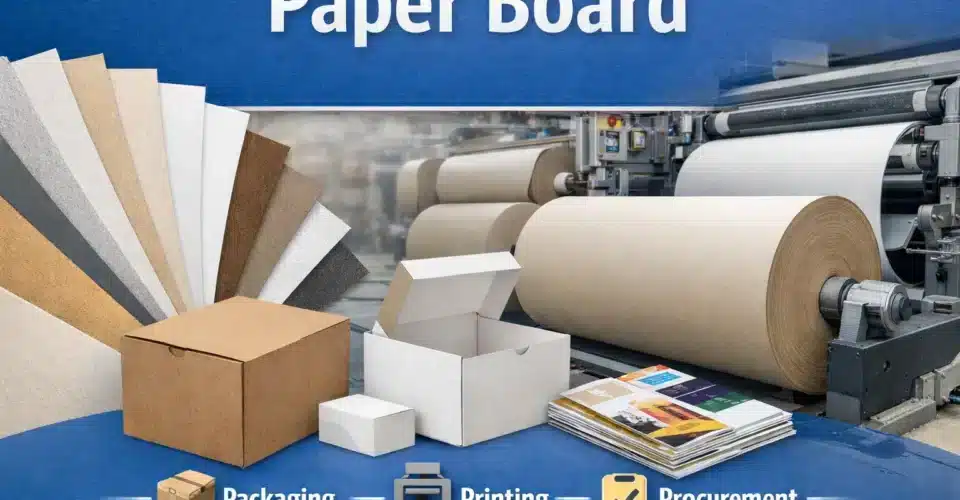
In the dynamic world of packaging, materials play a pivotal role in product protection, brand presentation, and environmental responsibility. As we navigate 2026, the demand for sustainable and efficient packaging solutions continues to grow, placing a spotlight on versatile materials like paper board. At Vista Packaging, we understand the intricate balance between functionality, aesthetics, and ecological impact. This comprehensive guide delves into the essence of paper board, exploring its diverse types, myriad uses, and the sophisticated manufacturing processes that bring it to life. We aim to equip you with a thorough understanding of this essential material, reinforcing why it remains a cornerstone of modern packaging.
What is a Paper Board?
Paper board is a thick, multi-ply material renowned for its durability, rigidity, and versatility, distinguishing it significantly from standard paper. While paper typically refers to thinner sheets used for writing or printing, paper board is engineered for structural integrity, making it ideal for packaging and various industrial applications. Generally, any multi-ply layered board with a base weight of 160g/m² and above is classified as a paper board. Its enhanced thickness and density provide superior protection and a robust canvas for high-quality printing.
Why is the Paper Board a Sustainable Choice in 2026?
Paper board stands out as a leading sustainable packaging option in 2026 due to its renewable origins and high recyclability. Derived primarily from wood pulp-a renewable resource-and often incorporating recycled fibers, paper board offers an eco-friendly alternative to less sustainable materials. The global paperboard packaging market, valued at USD 213 billion in 2023, is projected to reach USD 299.4 billion by 2031, driven by increasing environmental awareness and continuous technological advancements in sustainable packaging solutions. This growth underscores its importance in a world increasingly focused on circular economy principles. Vista Packaging is committed to leveraging these sustainable attributes to help businesses meet their environmental goals.
What are the Main Types of Paper Board and Their Uses?
Paper board comes in various types, each engineered with specific properties to suit different applications. Understanding these distinctions is crucial for selecting the optimal material for packaging needs. Here are some of the most common types of paper board:
How Do Different Paper Board Types Cater to Specific Packaging Needs?
Paper board types are designed with unique characteristics that make them suitable for a wide array of products. From food-grade packaging to heavy-duty industrial uses, the right paper board ensures product integrity and enhances brand appeal.
- Solid Bleached Sulfate (SBS) Paper Board: This premium grade paper board is known for its brilliant white surface, which is clay-coated for high-quality printing. Made from bleached virgin hardwood and softwood fibers, SBS is a solid white sheet, making it the preferred choice for food packaging and high-end retail products. Its applications include cosmetics, wet foods, frozen foods, tobacco, dairy products, meats, perishable bakery products, and medical products.
- Coated Unbleached Kraft (CUK) Paper Board: Unlike SBS, CUK paper board is made from unbleached virgin kraft fiber, giving it a natural brown color. The top ply is clay-coated for a smooth, white printing surface. The long pine fibers in CUK provide excellent strength and tear resistance, making it ideal for heavy-duty retail packaging such as beverage carriers (beer and soft drinks) and hardware.
- Coated Recycled Paperboard (CRB): This paper board grade is manufactured from recycled fibers, including those from paper manufacturing facilities and post-consumer sources. It typically features a white top ply with a clay coating to enhance print performance. CRB is a sustainable choice for products like laundry soaps and detergents, dry bakery products, paper products (tissues, napkins), dry foods (pasta), hardware, cake mixes, and cereal.
- Non-Bending Chipboard: Often used as the “body stock” for rigid or setup boxes, non-bending chipboard is manufactured from recycled newsprint and old corrugated materials. This paper board provides a rigid structure that does not fold, making it perfect for small luxury goods in cosmetics, confections, electronics, and jewelry markets, often overlaid with a decorative paper wrap.
How is Paper Board Manufactured? The Process Explained
The journey of paper board from raw materials to a finished product is a sophisticated process involving several key stages. Understanding this manufacturing process highlights the engineering and technology behind this versatile material. At Vista Packaging, we appreciate the precision and innovation involved in creating high-quality paper board that meets diverse industry standards.
What are the Key Stages in Paper Board Production?
Paper board production involves transforming wood pulp or recycled paper into a durable, multi-layered sheet. Each stage is critical to the final product’s quality and characteristics.
- Pulping: The initial step involves breaking down raw materials-either wood chips or recycled paper-into a fibrous pulp. Mechanical or chemical pulping processes are employed, depending on the desired properties of the final paper board.
- Pulp Refinement & Cleaning: The raw pulp undergoes further refinement to remove impurities such as ink, adhesives, and contaminants. For white paper board, bleaching may be performed at this stage to achieve the desired brightness.
- Sheet Formation: The refined pulp is then spread onto a wire mesh conveyor, where excess water drains away. As the water is removed, the fibers bond together, forming a continuous wet sheet of paper board.
- Pressing & Drying: The wet sheet passes through a series of press rollers to extract more moisture. Subsequently, it moves through heated drying cylinders, where the remaining water evaporates, solidifying the paper board structure.
- Coating & Finishing: To enhance printability, durability, and surface quality, a coating layer (often clay or synthetic materials) may be applied. The paper board is then calendered-pressed and smoothed-to achieve its final thickness and desired surface finish.
- Cutting & Packaging: In the final stage, the continuous paper board sheet is cut into custom sizes or rolled for distribution, ready for its diverse applications in packaging and beyond.
Why is Sustainable Paper Board Manufacturing Important in 2026?
Paper board manufacturing is increasingly focused on sustainability, driven by consumer demand and regulatory pressures. In 2026, Extended Producer Responsibility (EPR) laws are retaining their spotlight in packaging policy, pushing brands to rethink their packaging choices and prioritize eco-friendly materials. The market for curbside-recyclable paper packaging is expanding due to advancements in recyclable materials and improved recycling infrastructure. This shift towards sustainable practices in paper board production is not just an environmental imperative but also a significant market trend. According to Vista Packaging’s insights, embracing these sustainable manufacturing techniques is crucial for businesses aiming to align with global environmental goals and consumer expectations.
How Does Paper Board Compare to Other Packaging Materials?
Paper board offers a unique set of advantages when compared to alternative packaging materials like plastic, glass, or metal. Its lightweight nature reduces transportation costs and carbon emissions, while its structural rigidity provides excellent protection for a wide range of products. Furthermore, the ability to easily print high-quality graphics directly onto paper board makes it a powerful tool for branding and consumer engagement.
What are the Advantages of Paper Board Over Plastic?
Paper board is often preferred over plastic due to its superior environmental profile. Unlike many plastics, paper board is biodegradable and highly recyclable, making it a more sustainable choice for brands looking to reduce their plastic footprint. Additionally, paper board provides a more premium feel and better print quality, enhancing the overall consumer experience.
Why Choose Paper Board for Luxury Packaging?
Paper board is a staple in the luxury packaging market, where aesthetics and tactile experience are paramount. Its versatility allows for intricate designs, foil stamping, embossing, and other high-end finishes that elevate the brand’s image. At Vista Packaging, we specialize in creating bespoke paper board solutions that reflect the quality and prestige of luxury brands.
People Also Ask: Quick Answers on Paper Board
What is the primary difference between paper and paper board?
Paper board is significantly thicker, more rigid, and more durable than standard paper, designed for structural applications like packaging, whereas paper is typically thinner and used for writing or printing.
Is paper board always recyclable?
Most paper board types are recyclable, especially those made from virgin or recycled fibers. However, the presence of certain coatings or laminates can sometimes affect recyclability. Consumers should check local recycling guidelines.
What are the environmental benefits of using paper board for packaging?
Paper board offers several environmental benefits, including being made from renewable resources, biodegradability, and high recyclability, which reduces landfill waste and reliance on non-renewable materials.
How does the manufacturing process impact the strength of paper board?
The manufacturing process, particularly the pulping method, fiber alignment during sheet formation, and the pressing and drying stages, directly influences the density, rigidity, and overall strength of the final paper board product.
What role does technology play in modern paper board production?
Modern paper board production utilizes advanced technologies like automated process control systems to optimize efficiency, consistency, and sustainability, leading to higher quality products and reduced environmental impact.
Can paper board be used for food packaging?
Yes, certain grades of paper board, such as Solid Bleached Sulfate (SBS), are specifically designed and approved for direct food contact due to their purity and barrier properties.
Conclusion
Paper board remains an indispensable material in the packaging industry, continually evolving to meet the demands of a sustainable and innovation-driven market. From its diverse types, each with unique properties, to its intricate manufacturing process, paper board offers solutions that balance functionality, aesthetics, and environmental responsibility. As we look to the future, its role in eco-friendly packaging solutions will only grow. At Vista Packaging, we are dedicated to providing cutting-edge paper board solutions that not only protect your products but also uphold your commitment to a greener planet. We invite you to explore the possibilities that paper board offers for your business.