

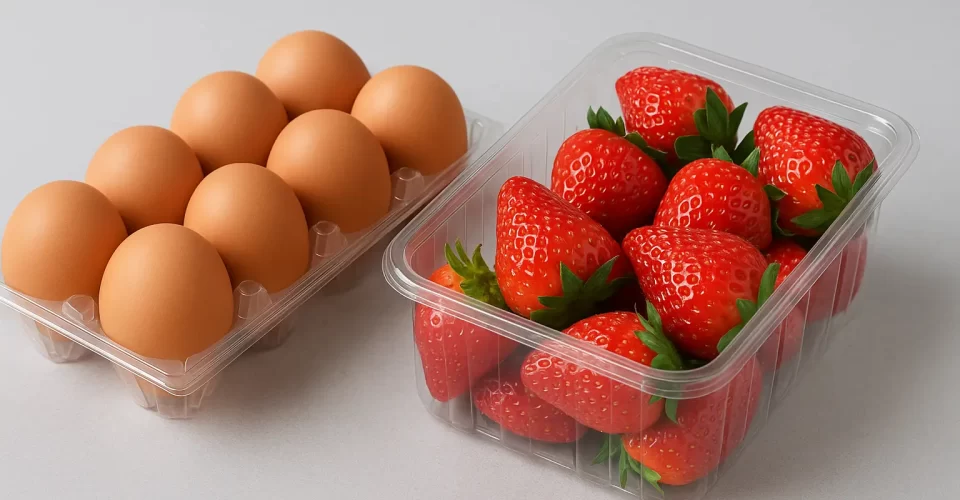
In today’s globalized economy, food products often travel long distances before reaching consumers. As supply chains become more complex, maintaining product quality and safety throughout the journey has never been more challenging. Shelf life extension stands at the forefront of addressing these challenges, ensuring that perishable goods retain their freshness, safety, and market value.
According to the Food and Agriculture Organization (FAO), approximately 30% of food produced globally is lost or wasted each year (FAO, 2023). Much of this waste is attributed to spoilage during storage, transport, and distribution. This blog explores why shelf life extension is critical for food packaging and supply chains, highlighting how businesses can leverage it for operational efficiency, customer satisfaction, and sustainability.
What Is Shelf Life Extension?
Definition and Purpose
Shelf life extension refers to the strategic use of packaging technologies, storage conditions, and supply chain practices designed to prolong the usable life of food products. It ensures that food remains safe, fresh, and appealing from production to consumption.
How It Works
- Barrier Packaging: Controls oxygen, moisture, and microbial exposure
- Active and Intelligent Packaging: Uses scavengers, ethylene absorbers, and freshness indicators
- Optimized Storage and Transportation: Maintains ideal environmental conditions
The Role of Shelf Life Extension in Food Packaging
1. Preserving Product Quality and Freshness
Maintaining Sensory Attributes
Consumers expect food to look, taste, and smell fresh. Shelf life extension techniques help retain these sensory qualities by slowing down spoilage mechanisms.
Nutritional Integrity
Nutrient degradation due to oxidation or moisture loss can be minimized with the right packaging, preserving the product’s health benefits.
Example: Meat packaged with high-barrier films showed a 50% reduction in spoilage over standard packaging (Food Packaging Insights, 2024).
2. Reducing Food Waste Across the Supply Chain
Lower Spoilage During Transit
Advanced shelf life extension methods ensure that products remain viable during long-distance transportation, reducing losses for producers, retailers, and consumers.
Enhancing Retail Shelf Life
Extended shelf life allows retailers more flexibility in inventory management, reducing markdowns and unsold inventory.
Case Study: European grocery chains using shelf life extension technologies reduced fresh produce waste by 30% (European Retail Study, 2024).
3. Enabling Global and Regional Supply Chains
Supporting Export Markets
With effective shelf life extension, food products can reach international markets without compromising quality, opening up new revenue streams.
Bridging Supply Chain Disruptions
Shelf life extension provides a buffer against delays caused by logistics disruptions, maintaining product integrity.
4. Boosting Brand Reputation and Customer Loyalty
Consistent Product Quality
Brands that consistently deliver fresh, high-quality products build stronger customer trust and loyalty.
Positive Environmental Impact
Companies that actively reduce food waste through shelf life extension can position themselves as sustainability leaders, aligning with consumer values.
Shelf Life Extension in Modern Supply Chain Strategies
Integration with Cold Chain Logistics
Combining shelf life extension with controlled temperature storage enhances product longevity, especially for perishables like dairy, seafood, and fresh produce.
Adoption of Smart Packaging Technologies
Incorporating intelligent packaging with freshness indicators and QR codes helps monitor product condition in real-time, offering transparency across the supply chain.
Compliance with Food Safety Regulations
Shelf life extension strategies ensure alignment with FDA, EFSA, and ISO 22000 standards, which are critical for international trade and market access.
The Economic and Sustainability Impact of Shelf Life Extension
Cost Savings and Profitability
By reducing spoilage, companies can lower operational costs, increase sell-through rates, and improve profit margins.
Contribution to Global Sustainability Goals
Reducing food waste supports UN Sustainable Development Goals (SDGs), particularly Goal 12: Responsible Consumption and Production.
Insight: Companies focusing on food waste reduction report improved investor confidence and brand equity (Global Sustainability Report, 2025).
Best Practices for Implementing Shelf Life Extension
Partner with Specialized Packaging Suppliers
Work with providers offering advanced packaging materials and technologies tailored to your product needs.
Invest in Shelf Life Testing and Validation
Regular testing under real-world conditions ensures packaging efficacy and regulatory compliance.
Integrate Supply Chain Data Analytics
Use data-driven insights to optimize storage conditions, transportation timelines, and inventory management.
Conclusion
Shelf life extension is more than just a packaging innovation—it’s a strategic necessity in today’s food industry. It plays a critical role in preserving product quality, reducing waste, enabling efficient supply chains, and supporting sustainability goals. By adopting advanced shelf life extension practices, businesses can enhance profitability, expand market reach, and build stronger customer loyalty.
As global supply chains continue to evolve, investing in shelf life extension will be key to staying competitive and responsible in the modern marketplace.