

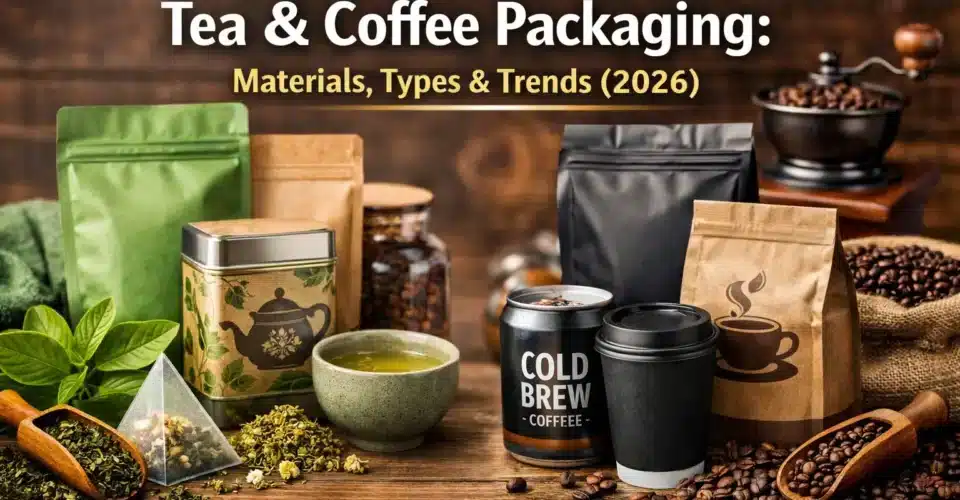
Tea & coffee packaging has evolved dramatically in 2026, driven by sustainability demands, technological innovation, and shifting consumer preferences. At Vista Packaging, we’ve witnessed firsthand how the right packaging solution can transform a brand’s market presence while preserving product quality and freshness. This comprehensive guide explores the materials, types, and emerging trends shaping the industry.
Why Is Tea & Coffee Packaging Important in 2026?
Tea & coffee packaging serves far more than protection-it’s a critical brand touchpoint. According to industry research, 70% of consumers say packaging influences purchasing choices, with design credited for 30% to 90% of sales decisions. Vista Packaging understands that effective tea & coffee packaging protects products from oxygen, light, and moisture while telling your brand story and building customer trust. With sustainability now a consumer expectation rather than preference, choosing the right packaging has never been more strategic.
What Materials Are Used in Tea & Coffee Packaging?
Tea & coffee packaging materials have diversified in 2026, balancing barrier protection with environmental responsibility. Understanding these options helps brands make informed decisions aligned with product needs and sustainability goals.
Sustainable Paper-Based Solutions
Tea & coffee packaging made from kraft paper and paperboard has surged in popularity. According to MTPak Coffee, kraft paper from FSC-certified forests provides 100% recyclability while offering biodegradable properties. Vista Packaging offers kraft paper solutions with multi-layer constructions protecting against moisture, sunlight, and oxygen. Rice paper packaging, derived from bamboo and quintan tree bark, provides unique texture while requiring minimal natural resources.
Compostable Bioplastics
Tea & coffee packaging utilizing plant-based bioplastics like PLA has become a major 2026 trend. Mintel research shows 25% of Thai consumers will pay more for plastic-free tea packaging, while 39% of German consumers cite sustainable packaging as a brand-switching factor. At Vista Packaging, we recommend clearly communicating disposal instructions, as PLA typically requires industrial rather than home composting.
High-Barrier Flexible Films
Tea & coffee packaging using multilayer laminates continues dominating premium segments with increased recyclability focus. According to Zenpack, modern laminates include aluminum foil for UV protection, plastic layers for airtight sealing, and paper for branding. The 2026 innovation centers on mono-material solutions-mono-PE high-barrier laminates replacing traditional multi-layer films without compromising protection.
Aluminum and Metal Containers
Tea & coffee packaging in aluminum cans has experienced a 2026 renaissance. Beverage packaging analysis shows aluminum’s recyclability advantage and tactile permanence appeal to sustainability-conscious consumers. Vista Packaging notes that aluminum fits the “refillable prestige” trend, where containers become lasting brand artifacts rather than disposable waste.
How Does Tea & Coffee Packaging Preserve Freshness?
Tea & coffee packaging effectiveness depends on understanding unique preservation challenges. Fresh-roasted coffee releases carbon dioxide for days post-roasting, requiring specialized venting. Tea’s delicate aromatics demand protection from moisture and oxidation.
One-Way Degassing Valves
Tea & coffee packaging for roasted beans universally incorporates one-way degassing valves. These devices allow CO₂ escape without permitting oxygen entry, preventing staleness and bag rupture. According to packaging equipment specialists, valves are standard on stand-up pouches, flat-bottom bags, and side-gusset configurations.
Nitrogen Flushing and Resealable Closures
Tea & coffee packaging often employs nitrogen flushing, replacing oxygen with inert nitrogen gas to extend shelf life. This combines effectively with zipper tapes, tin ties, and Velcro strips enabling consumers to maintain freshness between uses. Industry guidance indicates pull-tab zippers have become the most popular closure style, offering easier loading and superior freshness versus traditional tin ties.
What Types of Tea & Coffee Packaging Are Available in 2026?
Tea & coffee packaging formats have expanded, each offering distinct advantages for different market segments.
Stand-Up Pouches and Premium Bags
Tea & coffee packaging using stand-up pouches (Doypacks) dominates retail. According to coffee packaging guides, these packages stand easily with zipper closures consumers find convenient. Vista Packaging offers pouches with transparent windows, resealable zippers, and integrated degassing valves.
Flat-bottom bags provide premium presentation with five printing surfaces, maximizing brand visibility. Packaging specifications show these stand firmly while minimizing shelf footprint. Quad-seal bags with four corner seals create squared, architectural forms ideal for high-end single-origin coffees.
Traditional and Single-Serve Options
Tea & coffee packaging using side-gusset designs represents the industry workhorse. These fold flat when empty and expand when filled, creating the classic brick shape. While less costly than flat-bottom bags, they offer excellent tin-tie compatibility and shipping efficiency.
Single-serve formats include stick pouches, pillow bags, and compostable pods. Companies like Mad Coffee have launched compostable pods using PHA biodegradable plastics, proving single-serve convenience needn’t compromise environmental values.
What Are the Top Tea & Coffee Packaging Trends in 2026?
Tea & coffee packaging trends reflect shifts toward sustainability, personalization, and technology. Vista Packaging has identified transformative movements shaping the industry.
Sustainability as Standard Practice
Tea & coffee packaging sustainability has evolved from preference to expectation. Finlays’ 2026 Report emphasizes brands must clearly label sustainability credentials, with transparent supply chains woven into storytelling. Consumers abandon brands perceived as greenwashing.
Vista Packaging recommends compostable packaging for single-use applications and recyclable mono-materials for multi-use packages. According to sustainable packaging guides, FSC certification and recyclable packaging are now standard retail requirements.
Smart Packaging and Minimalist Design
Tea & coffee packaging increasingly incorporates QR codes and NFC tags providing brewing guides, origin stories, and loyalty programs. Some packages feature peelable layers and scent-enabled reuse inspired by beauty innovations.
Design favors clean, minimalistic aesthetics with transparent windows. Beverage packaging trends show transparent materials and simple labeling communicate integrity and authenticity.
Refillable Systems and Personalization
Tea & coffee packaging embraces circular economy principles through refillable formats. Packaging design research highlights that 2026 luxury means creating vessels worthy of retention. Digital printing enables region-specific illustrations, seasonal blends, and limited editions without prohibitive minimums, helping brands respond quickly to trends.
Functional Benefits Communication
Tea & coffee packaging prominently features functional benefits beyond caffeine. The beverage trend report identifies proteinization, probiotic additions, and immunity-boosting ingredients gaining traction. Packaging must clearly communicate these attributes to capture health-conscious consumers.
How Can Brands Choose the Right Tea & Coffee Packaging?
Tea & coffee packaging selection requires balancing product protection, brand positioning, sustainability commitments, and budget. Vista Packaging recommends this framework:
- Product Requirements: Whole beans need degassing valves; ground coffee requires maximum oxygen barriers; instant formats need moisture protection
- Target Audience: Retail consumers prefer resealable convenience; foodservice demands bulk efficiency; e-commerce requires shipping durability
- Sustainability Goals: Determine whether home-compostable, industrially-compostable, or recyclable solutions best fit your brand values and customer disposal infrastructure access
- Budget and Volume: Bulk orders reduce per-unit costs; simple closures save money; optimize packaging speed by aligning design with filling equipment
Consider how packaging design communicates your unique value. Coffee design awards emphasize today’s market demands packaging capturing attention within seconds while conveying brand identity authentically.
Conclusion
Tea & coffee packaging in 2026 represents a sophisticated balance of preservation science, sustainability innovation, and brand storytelling. From compostable bioplastics to smart QR codes, from refillable luxury to minimalist transparency, the industry has embraced complexity while maintaining focus on freshness and consumer experience.
At Vista Packaging, we’re committed to helping brands navigate these evolving options with solutions that protect product quality, express brand values, and meet environmental expectations. Whether you’re a small-batch roaster seeking distinctive flat-bottom bags or a major tea brand implementing compostable solutions at scale, the right packaging partner makes all the difference.
The future of tea & coffee packaging lies in materials that perform exceptionally while respecting planetary boundaries, in designs that delight consumers while educating them, and in systems that create value beyond the first use. By staying informed about emerging trends and choosing packaging aligned with both product needs and brand promises, coffee and tea companies can transform packaging from a cost center into a competitive advantage.
Frequently Asked Questions About Tea & Coffee Packaging
What is the best material for coffee packaging in 2026?
The best tea & coffee packaging material depends on your specific needs. For maximum freshness with sustainability, mono-material polyethylene high-barrier films offer excellent protection while remaining recyclable. For premium positioning with environmental benefits, FSC-certified kraft paper provides biodegradability and distinctive texture. Compostable PLA works well for single-serve applications, while aluminum suits refillable luxury concepts. Vista Packaging recommends matching material choice to your product type, shelf-life requirements, and brand sustainability commitments.
How long does tea and coffee stay fresh in proper packaging?
Tea & coffee packaging with proper barriers can maintain freshness for 6-12 months for roasted whole beans, 3-6 months for ground coffee, and 12-18 months for sealed tea. Packages with one-way degassing valves, nitrogen flushing, and resealable closures extend these timelines significantly. Once opened, resealable packaging helps maintain quality for several weeks, though consumption within 2-4 weeks optimizes flavor. Storage conditions-cool, dark, dry environments-also impact longevity regardless of packaging quality.
Are compostable tea bags and coffee pods really sustainable?
Tea & coffee packaging labeled compostable can be genuinely sustainable when properly disposed of, but effectiveness depends on access to appropriate facilities. Industrial composting facilities are required for most PLA-based packaging, which aren’t universally available. Home-compostable options exist but typically use different materials. Vista Packaging recommends clearly labeling disposal instructions and considering local infrastructure availability. According to Mintel research, truly sustainable packaging requires accurate communication about disposal methods to prevent contamination of recycling streams.
What packaging features keep coffee freshest?
Tea & coffee packaging freshness depends on four critical features: one-way degassing valves that release CO₂ without admitting oxygen; high-barrier materials blocking light, moisture, and air; resealable closures maintaining protection after opening; and proper sizing minimizing headspace and air exposure. Additional technologies like nitrogen flushing further extend shelf life. For whole beans, valves are essential; for ground coffee, maximum barrier protection matters most. Vista Packaging designs integrate these features based on specific product requirements.
How much does sustainable coffee and tea packaging cost?
Tea & coffee packaging costs vary widely based on materials, features, and volumes. Compostable solutions typically run 20-40% higher than conventional plastics, though prices decrease with bulk ordering. Mono-material recyclable options often cost similarly to traditional laminates. According to industry data, consumers show willingness to pay premium prices for genuinely sustainable packaging-60-70% of shoppers accept higher costs for environmentally friendly materials. Vista Packaging helps brands optimize sustainability investments by balancing material selection, order volumes, and feature requirements for cost-effective solutions.
What is the difference between flat-bottom bags and stand-up pouches?
Tea & coffee packaging using flat-bottom bags features five printable surfaces (front, back, two sides, bottom) and stands firmly upright, maximizing shelf presence. Stand-up pouches (Doypacks) have three surfaces with oval bottoms and typically cost less while still standing independently. Flat-bottom bags offer premium appearance and more branding space, making them popular for specialty coffee retail. Stand-up pouches provide excellent cost-efficiency for both coffee and tea applications with easier zipper integration. Vista Packaging helps brands choose based on positioning strategy, shelf environment, and budget considerations.