

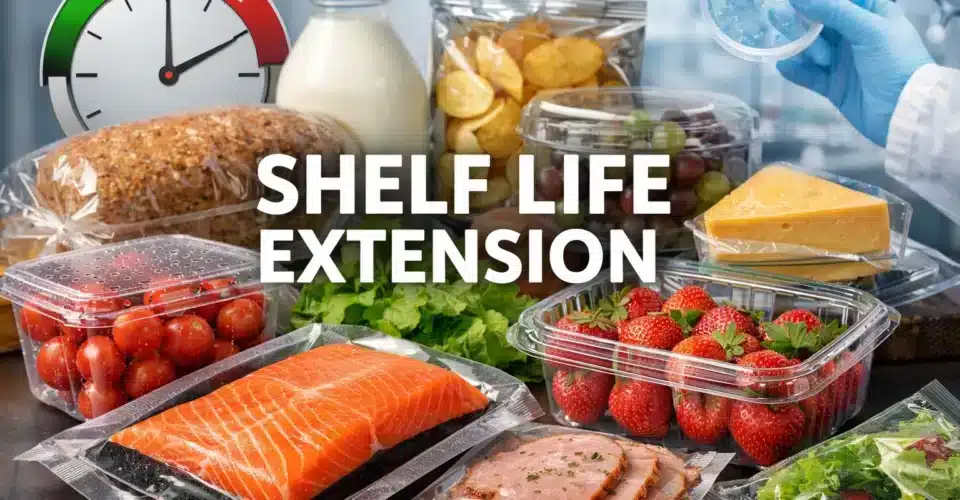
Shelf life extension has become one of the most critical considerations for food manufacturers, pharmaceutical companies, and consumer goods brands in 2026. As global supply chains grow more complex and consumer demand for fresher, longer-lasting products intensifies, understanding how to maximize product longevity without compromising quality is essential. At Vista Packaging, we’ve observed a significant shift in how businesses approach preservation strategies, moving from traditional methods to cutting-edge technologies that deliver measurable results.
Shelf life extension refers to the scientific and technological processes used to prolong the usable life of products while maintaining their safety, quality, and nutritional or functional properties. For businesses, this means reduced waste, improved profitability, and enhanced customer satisfaction. Vista Packaging has been at the forefront of helping brands implement effective shelf life extension strategies through innovative packaging solutions and industry expertise.
The importance of extending product shelf life extends beyond simple economics. With global food waste estimated at 1.3 billion tons annually according to recent United Nations data, and consumers increasingly conscious of sustainability, shelf life extension represents both an environmental imperative and a competitive advantage. This comprehensive guide explores the methods, technologies, and industry applications that are shaping the future of product preservation.
Why Is Shelf Life Extension Important in 2026?
Shelf life extension addresses several critical challenges facing modern businesses. The global marketplace demands products that can withstand longer transportation times, variable storage conditions, and extended retail cycles. For manufacturers and retailers, longer shelf life means greater flexibility in distribution, reduced product returns, and minimized financial losses from spoilage.
Consumer expectations have evolved dramatically. Today’s shoppers want products that remain fresh longer after purchase, reducing their own household waste and shopping frequency. This shift in consumer behavior has made shelf life extension a key differentiator in competitive markets. Vista Packaging works with brands to develop packaging solutions that directly address these consumer demands while meeting stringent regulatory requirements.
From a sustainability perspective, shelf life extension plays a crucial role in reducing environmental impact. Products that last longer require fewer resources for replacement manufacturing, generate less packaging waste, and contribute to lower carbon emissions across the supply chain. The circular economy principles gaining traction in 2026 emphasize shelf life extension as a fundamental component of sustainable business practices.
How Does Shelf Life Extension Work?
Shelf life extension works by controlling the key factors that cause product degradation: microbial growth, oxidation, moisture transfer, and chemical reactions. Different products face different degradation challenges, requiring tailored approaches. Food products, for instance, must contend with bacterial growth and enzymatic activity, while pharmaceuticals face challenges related to chemical stability and potency retention.
The science behind shelf life extension involves creating barriers between the product and environmental factors that accelerate deterioration. This can include controlling oxygen exposure, managing humidity levels, preventing light penetration, and maintaining optimal temperature ranges. Modern packaging technologies incorporate multiple protective mechanisms simultaneously, creating synergistic effects that dramatically extend usable product life.
At Vista Packaging, our approach to shelf life extension combines material science, barrier technology, and active packaging systems. We analyze each product’s specific degradation pathways and design packaging solutions that target the most critical vulnerability points. This scientific methodology ensures that shelf life extension efforts deliver predictable, reproducible results across different storage conditions and distribution channels.
What Are the Primary Methods of Shelf Life Extension?
Modified Atmosphere Packaging (MAP)
Shelf life extension through Modified Atmosphere Packaging involves replacing the air inside packaging with a carefully controlled gas mixture. Typically combining nitrogen, carbon dioxide, and minimal oxygen, MAP significantly slows microbial growth and oxidation processes. This method has proven particularly effective for fresh produce, meats, cheese, and bakery products, often doubling or tripling shelf life compared to conventional packaging.
The success of MAP depends on maintaining gas composition throughout the product’s life. High-barrier films prevent gas exchange with the external environment, while proper sealing techniques ensure initial atmosphere integrity. Modern MAP systems incorporate gas flushing equipment and quality control measures that verify correct atmospheric composition before products leave manufacturing facilities.
Vacuum Packaging
Shelf life extension via vacuum packaging removes air from the package before sealing, eliminating oxygen that fuels spoilage organisms and oxidation reactions. This method excels for products where oxygen exclusion is the primary preservation goal. Coffee, nuts, cured meats, and certain cheeses benefit tremendously from vacuum packaging, which can extend shelf life by 300-500% in some applications.
Advanced vacuum packaging systems now incorporate textured films that create channels for complete air evacuation while preventing product crushing. Vista Packaging has developed specialized vacuum packaging solutions that balance oxygen removal with product protection, particularly for delicate items that might be damaged by excessive vacuum pressure.
Active Packaging Technologies
Shelf life extension achieves new dimensions through active packaging, which interacts directly with products or internal package atmospheres. Oxygen scavengers chemically bind residual oxygen, moisture absorbers control humidity, and antimicrobial agents suppress bacterial growth. These active components work continuously throughout storage, providing dynamic protection that adapts to changing conditions.
Ethylene absorbers represent another crucial active packaging technology, particularly for fruits and vegetables. By removing ethylene gas produced during ripening, these systems dramatically slow maturation rates. Combined with temperature control, active packaging can extend the shelf life of fresh produce by weeks, reducing waste throughout the distribution chain.
What Technologies Are Driving Shelf Life Extension Innovation?
Nanotechnology in Barrier Films
Shelf life extension has been revolutionized by nanotechnology applications in packaging materials. Nano-composite films incorporate particles measured in billionths of a meter, creating tortuous pathways that dramatically improve oxygen and moisture barriers. These advanced materials can reduce permeability by 90% or more compared to conventional films while maintaining or improving mechanical properties and transparency.
Nanosilver and other antimicrobial nanoparticles embedded in packaging materials provide continuous protection against spoilage organisms. As bacteria contact the packaging surface, these particles disrupt cellular processes, preventing colonization and contamination. This technology has gained particular traction in fresh meat, seafood, and ready-to-eat meal applications where bacterial control is paramount.
Intelligent Packaging Systems
Shelf life extension benefits enormously from intelligent packaging that monitors product condition in real-time. Time-temperature indicators track cumulative temperature exposure, alerting consumers and retailers to potential quality degradation. Freshness indicators respond to chemical markers of spoilage, providing visual confirmation of product safety beyond printed expiration dates.
These smart technologies integrate with digital supply chain systems, enabling unprecedented traceability and waste reduction. Retailers can implement dynamic pricing strategies based on actual remaining shelf life rather than arbitrary dates. Vista Packaging has pioneered integration of intelligent packaging features with traditional barrier technologies, creating comprehensive solutions that both extend and monitor product life.
High-Pressure Processing (HPP) Integration
Shelf life extension through High-Pressure Processing applies extreme pressure (up to 87,000 psi) to packaged products, inactivating spoilage organisms and pathogens without heat. This cold pasteurization method preserves nutritional content, flavor, and texture while extending refrigerated shelf life by 2-3 times. HPP has become standard for premium juices, guacamole, salsa, and ready-to-eat meals.
The packaging requirements for HPP present unique challenges. Materials must withstand extreme pressure without delamination or failure while maintaining barrier properties post-processing. Specialized flexible packaging solutions designed for HPP applications ensure that shelf life extension benefits aren’t compromised by packaging limitations during or after treatment.
How Is Shelf Life Extension Applied Across Different Industries?
Food and Beverage Industry
Shelf life extension in the food sector addresses diverse preservation challenges across product categories. Dairy products utilize ultra-high temperature (UHT) processing combined with aseptic packaging, achieving shelf-stable storage for months without refrigeration. Fresh produce benefits from controlled atmosphere storage and ethylene management, maintaining quality from farm to consumer.
Bakery products represent a particular shelf life extension challenge due to moisture migration and staling. Modified atmosphere packaging combined with moisture barrier films and oxygen scavengers can extend fresh bread and pastry shelf life from days to weeks. This transformation has enabled centralized production and wider distribution of specialty baked goods that previously required local manufacturing.
Pharmaceutical and Nutraceutical Applications
Shelf life extension is critical for pharmaceutical products where potency and safety are non-negotiable. Moisture-sensitive medications require desiccant packaging systems that maintain extremely low humidity levels throughout their labeled shelf life. Light-sensitive compounds need UV-blocking materials, while oxygen-sensitive formulations demand high-barrier packaging with residual oxygen levels measured in parts per million.
Nutraceutical products face similar challenges with the added complexity of diverse active ingredient chemistries. Probiotics require moisture and oxygen exclusion to maintain viable organism counts. Omega-3 supplements need protection from oxidation that causes rancidity and reduces efficacy. At Vista Packaging, we develop pharmaceutical-grade packaging solutions that meet regulatory requirements while maximizing shelf life extension for these demanding applications.
Cosmetics and Personal Care
Shelf life extension in cosmetics protects formulation integrity and prevents microbial contamination. Natural and organic products, which minimize synthetic preservatives, particularly depend on packaging-based protection. Airless pump dispensers prevent oxygen exposure and contamination during use, maintaining product freshness from first to last application.
UV-protective packaging prevents photo-degradation of active ingredients in skincare formulations. Barrier properties protect volatile fragrances and prevent moisture loss in creams and lotions. The intersection of shelf life extension technology and premium packaging aesthetics has created innovative solutions that deliver both protection and brand differentiation.
What Are the Economic Benefits of Shelf Life Extension?
Shelf life extension delivers substantial financial benefits throughout the supply chain. Manufacturers experience reduced production waste, as longer shelf life provides greater tolerance for production planning variations and quality holds. The ability to produce larger batches reduces per-unit costs while maintaining product freshness through extended distribution periods.
Retailers benefit from decreased shrinkage and markdown losses. Products with extended shelf life spend less time in the supply chain before reaching optimal freshness, maximizing the saleable period on store shelves. This improved inventory turnover translates directly to enhanced profitability and reduced waste disposal costs.
For consumers, shelf life extension means fewer shopping trips, reduced household food waste, and better value for money. Products maintain quality longer after purchase, improving satisfaction and brand loyalty. Vista Packaging’s research indicates that consumers increasingly seek brands that demonstrate commitment to waste reduction through effective shelf life extension strategies.
How Do Regulations Impact Shelf Life Extension?
Shelf life extension technologies must comply with rigorous food contact material regulations in every market they serve. In the United States, the FDA regulates packaging materials under food additive provisions, requiring extensive safety testing and approval processes. The European Union’s framework regulation (EC) No 1935/2004 establishes comprehensive requirements for materials intended to contact food.
Active and intelligent packaging systems face additional scrutiny as they may release substances into products or environment. Regulatory approval requires demonstration of safety, efficacy, and accurate labeling. Migration testing confirms that packaging components don’t transfer to products at levels that compromise safety or quality.
Shelf life validation represents another crucial regulatory consideration. Manufacturers must scientifically substantiate shelf life claims through accelerated stability testing, challenge studies, and real-time aging studies. Proper validation ensures that shelf life extension claims are accurate and that products remain safe throughout their labeled life under expected storage conditions.
What Does the Future Hold for Shelf Life Extension?
Shelf life extension technologies continue evolving rapidly as materials science, biotechnology, and digital integration converge. Biodegradable barrier materials that match or exceed conventional plastics’ performance are emerging, addressing sustainability concerns while maintaining product protection. These bio-based materials derive from renewable resources and decompose safely after use, aligning shelf life extension with circular economy principles.
Artificial intelligence and machine learning are being applied to shelf life prediction, enabling more accurate forecasting of product stability under variable conditions. Predictive models analyze thousands of data points from sensors, environmental monitors, and quality tests to optimize packaging specifications and distribution protocols.
Personalized packaging solutions represent another frontier, where shelf life extension strategies adapt to individual consumer usage patterns. Smart packaging might adjust its barrier properties based on detected consumption rates or environmental conditions, maximizing freshness for each user’s specific situation.
Frequently Asked Questions About Shelf Life Extension
Q: How much can shelf life extension technologies increase product longevity?
A: Shelf life extension results vary significantly by product type and technology applied. Fresh produce can see 50-200% extensions through MAP and ethylene management. Dairy products achieve shelf stability through UHT and aseptic packaging, extending life from weeks to months. Properly packaged snack foods and dry goods can maintain quality for years rather than months. The key is matching the right preservation technology to specific product degradation mechanisms.
Q: Is shelf life extension safe for consumers?
A: Shelf life extension technologies undergo rigorous safety testing and regulatory approval before commercial use. Methods like MAP, vacuum packaging, and barrier films simply slow natural degradation processes without adding harmful substances. Active packaging components are tested for migration and toxicity. When properly implemented according to regulatory guidelines and good manufacturing practices, shelf life extension technologies enhance product safety by maintaining quality and preventing spoilage-related hazards.
Q: Does extended shelf life mean products contain more preservatives?
A: Shelf life extension through advanced packaging actually enables reduced chemical preservative use. By controlling environmental factors like oxygen, moisture, and light through packaging, manufacturers can achieve longer shelf life with fewer or no artificial preservatives. This aligns with consumer demand for cleaner labels and more natural products. Many shelf life extension technologies specifically support the “clean label” movement by providing physical rather than chemical preservation.
Q: How does shelf life extension impact product quality and nutrition?
A: Properly designed shelf life extension systems preserve rather than degrade product quality. Technologies like HPP and MAP maintain vitamins, minerals, flavors, and textures better than traditional heat-based preservation. The goal is to slow natural degradation while keeping products as close to fresh as possible. Studies demonstrate that properly stored products with extended shelf life often retain more nutritional value than “fresh” products subjected to poor handling or extended unprotected storage.
Q: What role does temperature control play in shelf life extension?
A: Temperature management is fundamental to shelf life extension effectiveness. Even the best packaging technologies perform optimally only within appropriate temperature ranges. Most refrigerated products with extended shelf life require consistent cold chain maintenance. Time-temperature indicators and intelligent packaging help ensure temperature protocols are followed throughout distribution. Combined with advanced packaging, proper temperature control can extend shelf life by several times compared to packaging alone.
Q: How can businesses determine which shelf life extension method is right for their products?
A: Selecting appropriate shelf life extension technologies requires analyzing specific product characteristics, degradation pathways, distribution requirements, and target markets. Professional packaging consultants can conduct shelf life studies, identify primary spoilage mechanisms, and recommend tailored solutions. Factors to consider include oxygen sensitivity, moisture content, pH levels, microbial load, distribution timeline, storage conditions, and regulatory requirements. At Vista Packaging, we offer comprehensive assessment services that match products with optimal preservation strategies based on technical performance and economic viability.
Shelf life extension represents a critical capability for businesses navigating today’s complex marketplace. By understanding available methods, emerging technologies, and industry-specific applications, brands can implement solutions that reduce waste, improve profitability, and meet evolving consumer expectations. As packaging science continues advancing, the possibilities for extending product life while maintaining or enhancing quality will only expand, creating opportunities for innovation and competitive differentiation across all industries.